Hair plays an important role in personal confidence and overall appearance. Whether you are experiencing excessive hair fall, thinning hair, dandruff, scalp irritation, or changes in hair texture, finding the right Hair Clinic in Pala can help you understand the root cause of the problem and explore suitable treatment options. Hair concerns are often more complex than they appear, and addressing them early can make a significant difference in maintaining healthy hair over time.
Many people spend months trying different oils, shampoos, or home remedies without seeing noticeable improvement. While these products may offer temporary relief in some cases, they rarely address the underlying reason behind hair loss or scalp disorders. A professional approach focuses on identifying the exact cause before recommending any treatment. This guide explains the common causes of hair problems, available treatment options, preventive measures, and what to expect when choosing a Hair Clinic in Pala for your hair care journey.
Why Choosing the Right Hair Clinic in Pala Matters
Hair problems can develop gradually or appear suddenly due to several internal and external factors. Since different conditions often produce similar symptoms, self-diagnosis can lead to ineffective treatments and unnecessary expenses.
A reliable Hair Clinic in Pala focuses on evaluating the condition of both the hair and scalp before suggesting any course of action. This approach helps ensure that treatments are tailored to individual needs rather than based on assumptions.
Professional hair assessment can help determine:
- The actual reason behind excessive hair fall
- Whether the problem is temporary or long-term
- The condition of the scalp
- Possible nutritional or hormonal influences
- Lifestyle factors affecting hair health
- Suitable treatment options based on the diagnosis
Understanding these factors is the first step toward achieving healthier hair.
Understanding the Hair Growth Cycle
Healthy hair follows a natural growth cycle that repeats continuously throughout life. Knowing how this cycle works makes it easier to understand why hair shedding is normal in some situations and concerning in others.
Anagen Phase
The anagen phase is the active growth stage. Hair follicles remain in this phase for several years, allowing hair to grow steadily.
Catagen Phase
This short transition period signals the end of active growth and prepares the hair follicle for the resting stage.
Telogen Phase
During the telogen phase, the hair rests before naturally shedding. A new hair then begins to grow from the same follicle.
Losing between 50 and 100 hairs daily is generally considered part of the normal hair cycle. However, if hair loss becomes excessive or is accompanied by visible thinning, professional evaluation at a Hair Clinic in Pala is recommended.
Hair Problems That Should Not Be Ignored
While occasional hair fall is normal, some symptoms indicate the need for professional evaluation.
These include:
- Hair shedding that continues for several weeks
- Noticeable thinning of the scalp
- Sudden bald patches
- Persistent dandruff
- Itchy scalp
- Redness or irritation
- Painful scalp swelling
- Excessive hair breakage
- Hair loss after illness
- Receding hairline
- Widening of the hair part
Seeking help early can improve the chances of successful management.
Common Hair and Scalp Concerns
A Hair Clinic in Pala typically evaluates and manages a wide range of concerns affecting both the scalp and hair.
Excessive Hair Fall
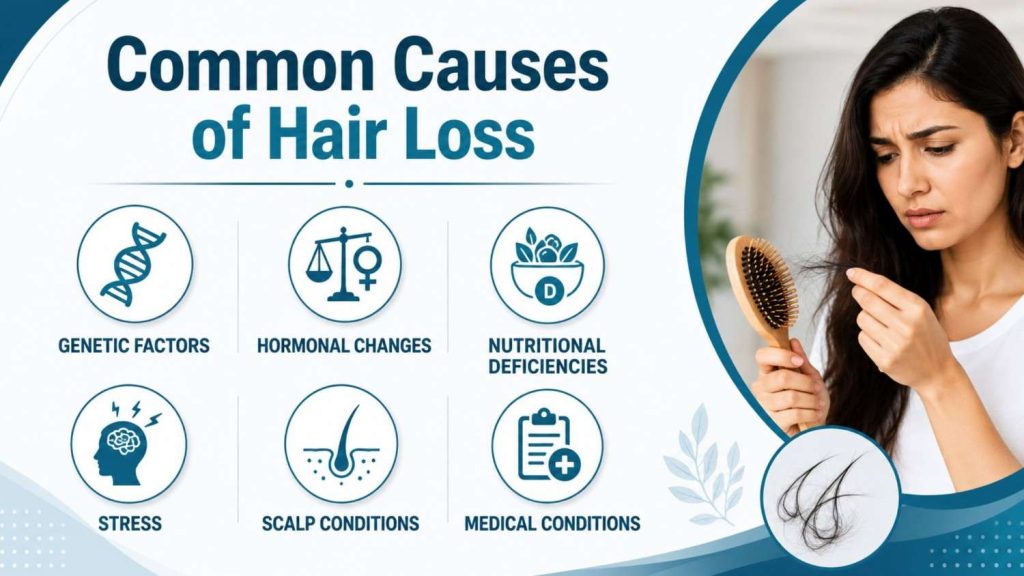
Hair fall may occur because of stress, nutritional deficiencies, hormonal imbalance, or temporary illness. Identifying the exact cause helps determine the most suitable treatment approach.
Pattern Hair Loss
Pattern hair loss affects both men and women, although the appearance differs. Men often experience a receding hairline, while women usually notice diffuse thinning across the scalp.
Dandruff
Dandruff is one of the most common scalp conditions. It may cause itching, flaking, irritation, and discomfort if left untreated.
Dry Scalp
Dryness may result from environmental conditions, unsuitable hair products, or underlying skin disorders.
Oily Scalp
Excess oil production may contribute to dandruff, itching, and scalp discomfort.
Scalp Infections
Fungal and bacterial infections require accurate diagnosis because they often resemble other scalp conditions.
Hair Breakage
Repeated heat styling, harsh chemicals, and poor hair care habits can weaken the hair shaft and increase breakage.
What Happens During a Hair Evaluation?
One of the advantages of visiting a Hair Clinic in Pala is receiving a structured evaluation instead of relying on guesswork.
A comprehensive hair assessment usually includes:
Understanding Your Hair Concerns
Questions may focus on:
- Duration of hair loss
- Previous treatments
- Hair care routine
- Family history
- Lifestyle habits
Scalp Examination
The scalp is examined for:
- Hair density
- Hair thickness
- Inflammation
- Scaling
- Signs of infection
- Pattern of hair loss
Identifying Contributing Factors
Hair health can be influenced by:
- Nutrition
- Sleep quality
- Stress
- Medical conditions
- Daily habits
- Environmental exposure
This information helps determine the most appropriate management plan.
Treatment Approaches for Hair Problems
There is no universal treatment for every hair concern. Management depends entirely on the underlying diagnosis.
Some commonly recommended approaches include:
Medical Treatment
Prescription medications may be used when appropriate to manage certain forms of hair loss or scalp disorders.
Nutritional Support
Correcting nutritional deficiencies may improve overall hair health in suitable individuals.
Scalp Care
Managing scalp health is an important part of promoting healthy hair growth. This may involve treating dandruff, inflammation, or infections.
Lifestyle Changes
Improving sleep, reducing stress, maintaining hydration, and following a balanced diet can support healthier hair.
Advanced Hair Procedures
Certain individuals may benefit from advanced hair restoration procedures after proper evaluation.
A Hair Clinic in Pala recommends treatments based on individual needs rather than a one-size-fits-all approach.
Daily Habits That Support Healthy Hair
Healthy hair depends on consistent daily care.
Eat a Balanced Diet
Protein, iron, zinc, and essential vitamins play an important role in supporting normal hair growth.
Wash Your Hair Properly
Using mild shampoos appropriate for your scalp type helps maintain cleanliness without excessive dryness.
Avoid Excessive Heat
Frequent use of straighteners, curling irons, and blow dryers may weaken hair over time.
Stay Hydrated
Adequate water intake supports overall skin and scalp health.
Protect Your Hair
Limiting exposure to harsh sunlight, pollution, and chemical treatments can reduce damage.
Manage Stress
Chronic stress may contribute to temporary hair shedding, making stress management an important part of hair care.
Hair Care Mistakes to Avoid
Many people unknowingly damage their hair through everyday habits.
Common mistakes include:
- Using excessive heat styling
- Frequently changing hair products
- Ignoring scalp problems
- Delaying professional evaluation
- Following unverified internet remedies
- Tight hairstyles that pull on the hair
- Frequent chemical treatments
- Poor nutrition
- Inconsistent hair care routines
Avoiding these habits may help maintain healthier hair over time.
Can Lifestyle Affect Hair Health?
Absolutely.
Hair health reflects overall health in many ways. Lifestyle factors that influence hair include:
- Sleep quality
- Physical activity
- Nutrition
- Smoking
- Stress
- Hydration
- Work environment
- Exposure to pollution
Improving these areas often supports healthier hair alongside appropriate treatment.
Preventing Hair Problems
Although not every condition can be prevented, adopting healthy habits can reduce the risk of many common hair concerns.
Preventive measures include:
- Eating nutrient-rich foods
- Treating dandruff early
- Avoiding unnecessary chemical treatments
- Using suitable hair care products
- Keeping the scalp clean
- Avoiding smoking
- Managing stress effectively
- Seeking early evaluation when symptoms develop
Visiting a Hair Clinic in Pala at the first signs of persistent hair loss can help prevent further progression in many cases.
Supporting Overall Hair and Skin Health
Hair and skin health are closely connected. A balanced diet, proper hydration, quality sleep, and consistent skincare habits contribute to overall well-being. If you are also looking to improve your skin health, you may find our guide on Best Skin Clinic in Pala helpful for understanding professional skincare and dermatology services.
Conclusion
Healthy hair begins with understanding the factors that influence hair growth and scalp health. While occasional shedding is a normal part of the hair cycle, persistent hair fall, thinning, dandruff, or scalp discomfort should not be ignored. Seeking timely guidance from a Hair Clinic in Pala can help identify the underlying cause and provide a personalized plan for managing your concerns effectively.
Rather than relying on temporary solutions or unverified remedies, a professional approach focuses on accurate assessment, evidence-based treatment, and long-term hair wellness. Whether your concerns are related to genetics, nutrition, lifestyle, or scalp health, early intervention often leads to better outcomes and improved confidence. For additional information about the causes of hair loss, healthy hair care practices, and when to seek professional evaluation, explore the educational resources provided by the American Academy of Dermatology – Hair Loss Overview.