7 Powerful Pigmentation Treatment Procedure Benefits Explained
Skin pigmentation concerns can affect people of all ages and skin types. Whether it appears as dark spots, uneven skin tone, melasma, sunspots, or post-inflammatory hyperpigmentation, these changes in skin color often impact confidence and appearance. Many individuals in Thrissur seek advanced solutions to achieve a more even complexion and healthier-looking skin.
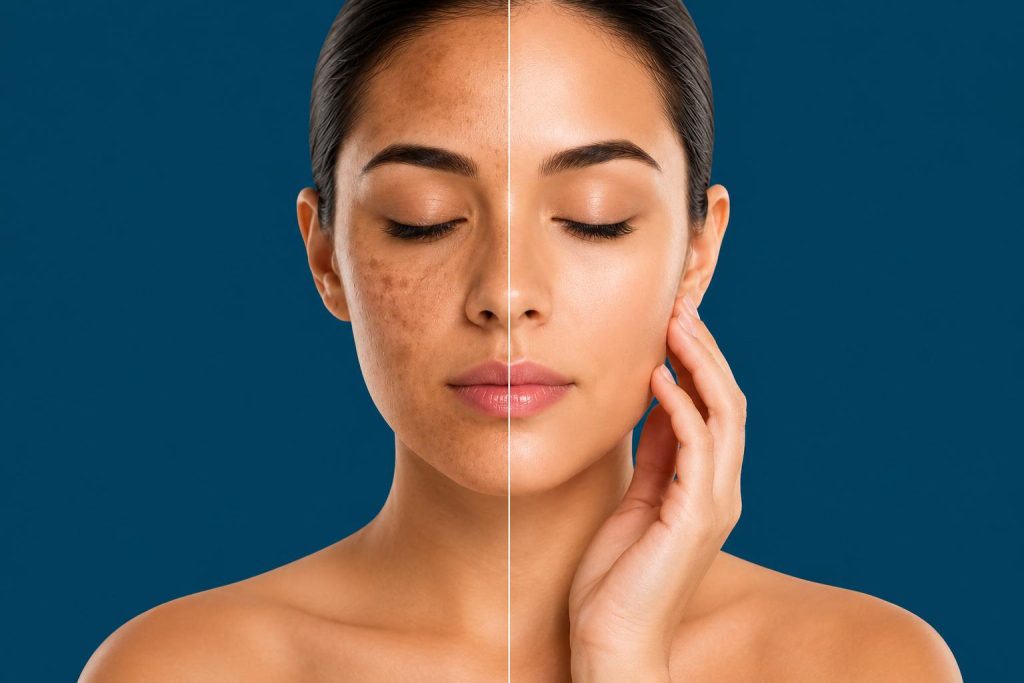
A Pigmentation Treatment Procedure is designed to reduce excess pigmentation, improve skin tone, and restore a clearer appearance. Modern dermatological techniques offer effective solutions tailored to different pigmentation conditions and skin types. Understanding how a Pigmentation Treatment Procedure works can help you make informed decisions about your skincare journey.
What Is a Pigmentation Treatment Procedure
A Pigmentation Treatment Procedure refers to a range of medical and cosmetic treatments used to reduce or eliminate unwanted pigmentation from the skin. These procedures target excess melanin production, which is responsible for dark patches and uneven skin tone.
The treatment plan may vary depending on:
- Type of pigmentation
- Skin tone
- Severity of discoloration
- Underlying causes
- Individual skin sensitivity
The goal is to create a more balanced and even complexion while maintaining healthy skin.
Understanding Skin Pigmentation
Pigmentation is the natural coloring of the skin caused by melanin. Melanin is produced by specialized cells called melanocytes.
When melanin production becomes excessive or uneven, it can lead to visible pigmentation concerns such as:
- Dark spots
- Age spots
- Melasma
- Freckles
- Post-acne marks
- Sun-induced pigmentation
A Pigmentation Treatment Procedure aims to address these issues safely and effectively.
Common Causes of Pigmentation
Sun Exposure
Excessive ultraviolet (UV) radiation stimulates melanin production, leading to sunspots and uneven skin tone.
Hormonal Changes
Hormonal fluctuations during pregnancy, menopause, or contraceptive use can trigger pigmentation conditions such as melasma.
Acne and Skin Inflammation
Inflammation from acne, eczema, or skin injuries can leave dark marks after healing.
Aging
As skin ages, pigmentation irregularities often become more noticeable.
Genetic Factors
Some individuals are genetically predisposed to pigmentation disorders.
Certain Medications
Certain drugs may increase sensitivity to sunlight and contribute to pigmentation changes.
Types of Pigmentation Treated by Pigmentation Treatment Procedure
Melasma
Melasma appears as brown or gray patches, usually on the face.
Sunspots
Also known as age spots, these occur due to prolonged sun exposure.
Post-Inflammatory Hyperpigmentation
Dark spots that remain after acne, burns, or skin injuries.
Freckles
Small pigmented spots that may become darker with sun exposure.
Periorbital Pigmentation
Darkening around the eyes that may result from genetics, aging, or lifestyle factors.
Uneven Skin Tone
General discoloration affecting the overall appearance of the skin.
Signs That You May Need a Pigmentation Treatment Procedure
You may consider a Pigmentation Treatment Procedure if you experience:
- Persistent dark patches
- Uneven skin tone
- Acne scars with pigmentation
- Sun-induced discoloration
- Brown spots that do not fade
- Melasma affecting facial appearance
- Pigmentation impacting confidence
Early treatment often provides better outcomes.
How a Pigmentation Treatment Procedure Works
The primary objective of a Pigmentation Treatment Procedure is to target excess melanin while preserving surrounding healthy skin.
The process generally involves:
- Skin evaluation
- Identification of pigmentation type
- Selection of appropriate treatment method
- Customized treatment sessions
- Follow-up care and maintenance
Different technologies and treatment options may be combined for optimal results.
Types of Pigmentation Treatment Procedure Options
Chemical Peels
Chemical peels use specialized solutions to exfoliate the skin and reduce pigmentation.
Benefits include:
- Improved skin texture
- Reduced dark spots
- Brighter complexion
- Enhanced skin renewal
Laser Pigmentation Removal
Laser treatments target melanin deposits beneath the skin surface.
Advantages include:
- Precision targeting
- Faster results
- Improved skin clarity
- Minimal damage to surrounding tissue
Q-Switched Laser Treatment
This advanced laser technology breaks down pigmentation particles effectively.
It is commonly used for:
- Melasma
- Sunspots
- Freckles
- Hyperpigmentation
Intense Pulsed Light (IPL)
IPL therapy uses light energy to reduce pigmentation and improve overall skin tone.
Benefits include:
- Reduction in discoloration
- Improved skin appearance
- Minimal downtime
Microdermabrasion
This procedure gently removes the outer layer of skin to encourage fresh cell growth.
It helps with:
- Mild pigmentation
- Dull skin
- Uneven skin texture
Topical Depigmenting Treatments
Medical-grade creams may be recommended alongside a Pigmentation Treatment Procedure.
Common ingredients include:
- Hydroquinone
- Kojic acid
- Azelaic acid
- Vitamin C
- Retinoids
Benefits of Pigmentation Treatment Procedure
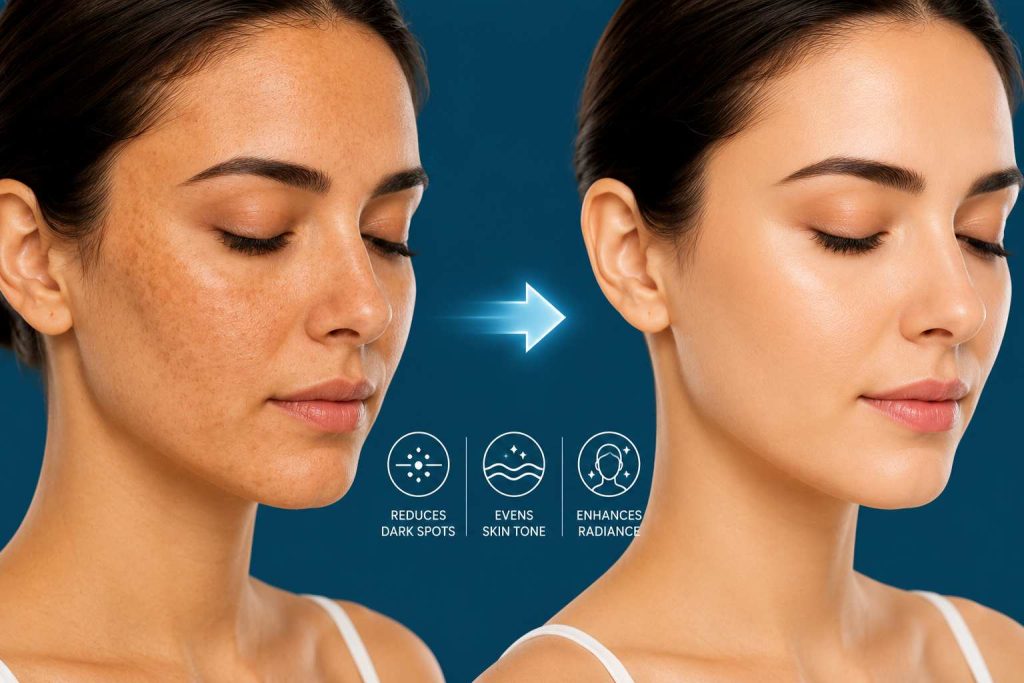
Improved Skin Tone
The treatment helps create a more even complexion.
Reduction of Dark Spots
Visible pigmentation can become lighter over time.
Enhanced Confidence
Many people feel more comfortable with clearer-looking skin.
Younger Appearance
Reducing pigmentation often contributes to a fresher appearance.
Better Skin Texture
Many treatments also improve overall skin quality.
Long-Term Results
Proper maintenance can help sustain treatment outcomes.
Customized Solutions
A Pigmentation Treatment Procedure can be tailored to individual needs.
Preparing for a Pigmentation Treatment Procedure
Proper preparation can improve treatment success.
Avoid Excessive Sun Exposure
Protect your skin from UV radiation before treatment.
Use Recommended Skincare Products
Follow professional skincare guidance.
Stay Hydrated
Well-hydrated skin responds better to treatment.
Disclose Medical History
Inform your provider about medications and existing skin conditions.
Follow Pre-Treatment Instructions
Specific instructions may vary depending on the chosen procedure.
What to Expect During the Procedure
The exact experience depends on the selected treatment method.
Generally, the procedure may involve:
- Cleansing the treatment area
- Skin assessment
- Application of treatment technology
- Post-treatment soothing products
Most sessions are relatively comfortable and performed on an outpatient basis.
Recovery After a Pigmentation Treatment Procedure
Recovery varies based on treatment intensity.
Common temporary effects include:
- Mild redness
- Slight swelling
- Skin sensitivity
- Temporary dryness
Most individuals can resume normal activities shortly after treatment.
Post-Treatment Care Tips
- Apply sunscreen daily
- Avoid direct sunlight
- Use gentle skincare products
- Keep skin moisturized
- Follow aftercare instructions carefully
How Many Sessions Are Needed
The number of sessions depends on:
- Pigmentation type
- Skin condition
- Treatment method
- Severity of discoloration
Some individuals notice improvement after a few sessions, while others may require a longer treatment plan.
Potential Risks and Side Effects
A Pigmentation Treatment Procedure is generally safe when performed appropriately.
Possible temporary side effects may include:
- Redness
- Irritation
- Mild swelling
- Temporary darkening of spots
- Skin sensitivity
Following professional recommendations helps minimize risks.
Preventing Pigmentation Recurrence
Long-term maintenance is important.
Use Sunscreen Daily
Broad-spectrum SPF protection helps prevent future pigmentation.
Follow a Consistent Skincare Routine
Healthy skin habits support treatment results.
Avoid Excessive Sun Exposure
Sun protection remains one of the most effective preventive measures.
Manage Underlying Triggers
Hormonal and inflammatory conditions should be addressed when possible.
Attend Follow-Up Visits
Regular monitoring helps maintain skin clarity.
Is a Pigmentation Treatment Procedure Suitable for All Skin Types?
Modern pigmentation treatments can often be customized for various skin tones and types.
Factors considered include:
- Skin sensitivity
- Pigmentation depth
- Medical history
- Previous treatments
- Individual goals
A personalized assessment helps determine the most appropriate approach.
Conclusion
A Pigmentation Treatment Procedure can be an effective solution for individuals struggling with dark spots, melasma, sun damage, and uneven skin tone. By targeting excess melanin and promoting healthier skin renewal, these treatments can improve complexion, confidence, and overall skin appearance. Consistent sun protection, proper skincare, and professional guidance play a crucial role in maintaining long-term results. Individuals seeking clearer and more even-toned skin in Thrissur may benefit from understanding the available treatment options and choosing an approach suited to their specific needs. For more information about pigmentation and skin discoloration, visit the American Academy of Dermatology’s pigmentation resource, which provides reliable information on causes, symptoms, and treatment options for various pigmentation concerns.
Frequently Asked Questions
What is a Pigmentation Treatment Procedure
A Pigmentation Treatment Procedure is a treatment designed to reduce unwanted skin discoloration and improve skin tone.
Can pigmentation be permanently removed
Some pigmentation can be significantly reduced, though maintenance may be needed depending on the cause.
Is laser treatment effective for pigmentation
Laser treatments are commonly used and can effectively target excess melanin.
How long does it take to see results
Results vary depending on the treatment method and severity of pigmentation.
Is the procedure painful
Most treatments involve minimal discomfort and are generally well tolerated
Can pigmentation return after treatment
Yes, recurrence is possible if underlying causes are not managed.
Is sunscreen necessary after treatment
Yes, sunscreen is essential for protecting results and preventing new pigmentation.
How many sessions are usually required
The number of sessions depends on the pigmentation type and treatment chosen.
Are pigmentation treatments suitable for sensitive skin
Many treatments can be customized for sensitive skin after proper assessment.
Can acne marks be treated with a Pigmentation Treatment Procedure
Yes, post-inflammatory hyperpigmentation caused by acne is commonly treated.