Table of Contents
- Introduction
- Understanding Hair Loss
- What Is PRP Therapy for Hair Loss?
- 9 Signs Showing When Should You Choose PRP for Hair Loss
- Benefits of Choosing PRP for Hair Loss
- Who Is a Suitable Candidate for PRP Therapy?
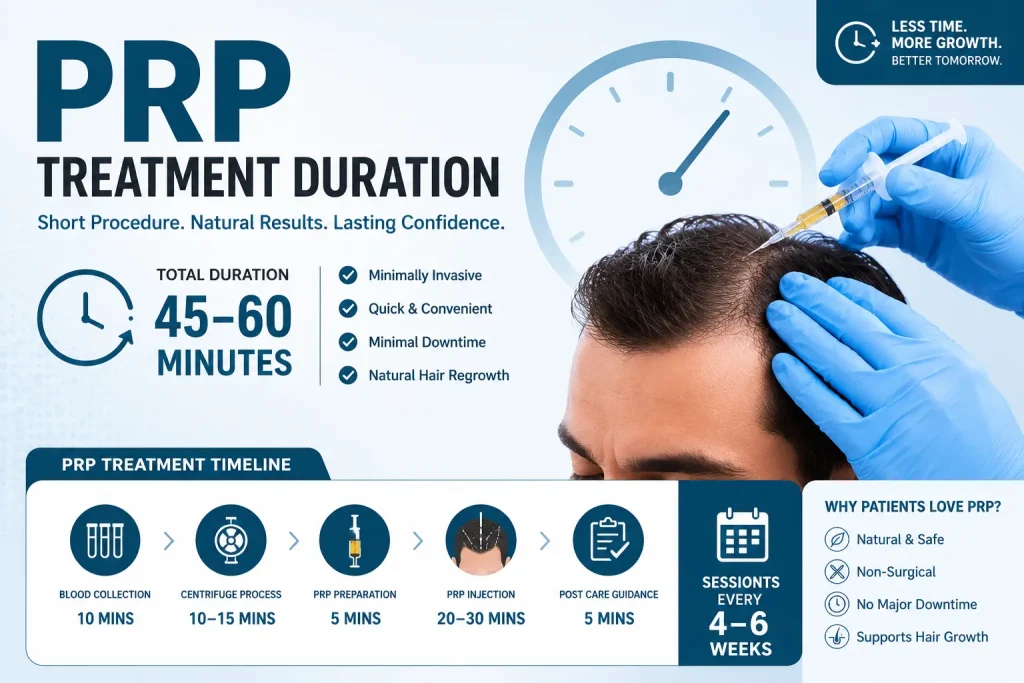
- What to Expect During Treatment
- Tips to Improve PRP Results
- Conclusion
- FAQs
1. Introduction
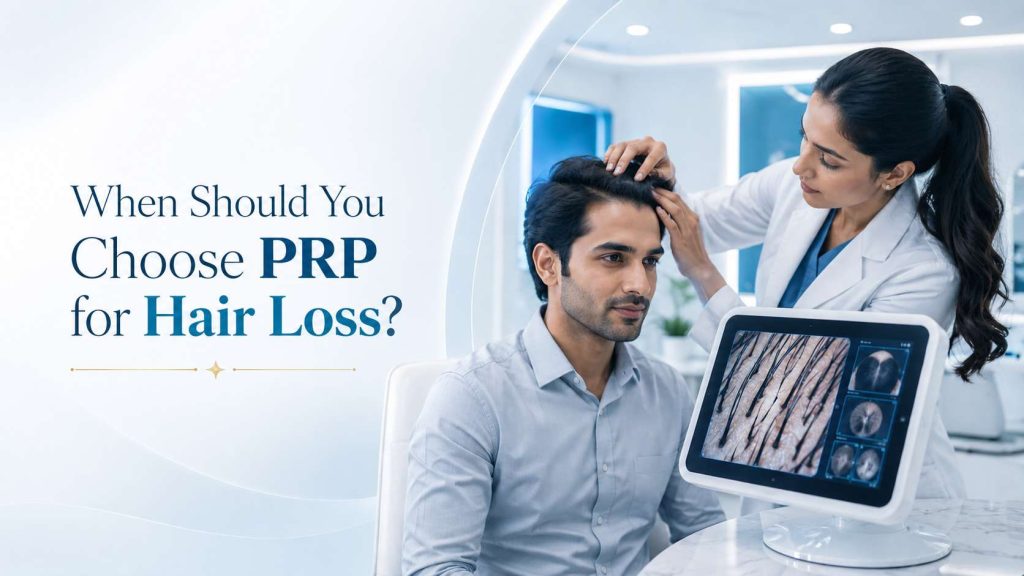
Hair loss can affect confidence, appearance, and overall well-being. While losing a few strands daily is normal, persistent thinning or excessive shedding may indicate an underlying issue that requires attention. Many people exploring modern hair restoration options often ask, when should you choose PRP for hair loss?
PRP therapy has become one of the most popular non-surgical hair restoration treatments because it uses the body’s own healing components to support healthier hair growth. Understanding the right time to begin treatment can help individuals address hair concerns before significant follicle damage occurs.
This guide explains the signs, benefits, and situations where PRP therapy may be considered for managing hair loss and improving scalp health.
2. Understanding Hair Loss
Hair loss can occur for various reasons and may affect both men and women.
Common causes include:
- Genetic hair thinning
- Hormonal changes
- Stress
- Nutritional deficiencies
- Medical conditions
- Scalp disorders
- Aging
- Lifestyle factors
Early identification of hair loss patterns often provides better opportunities for effective treatment and scalp rejuvenation.
3. What Is PRP Therapy for Hair Loss?
Platelet-Rich Plasma (PRP) therapy is a regenerative treatment that uses concentrated platelets obtained from a small sample of the patient’s blood.
These platelets contain growth factors that may help:
- Stimulate hair follicles
- Improve scalp circulation
- Support healthier hair growth
- Strengthen weak hair roots
- Reduce hair shedding
- Encourage scalp rejuvenation
PRP therapy is widely used because it is minimally invasive and supports natural healing processes.
4. 9 Signs Showing When Should You Choose PRP for Hair Loss
1. Noticeable Hair Thinning
If your hair appears less dense than before, PRP therapy may help support follicle activity and scalp health.
2. Increased Hair Shedding
Excessive hair fall during washing, combing, or daily activities can be an indication that professional evaluation may be beneficial.
3. Widening Hair Part
A gradually widening hair part is often one of the earliest visible signs of hair thinning.
4. Receding Hairline
Individuals experiencing early hairline recession may benefit from timely hair restoration interventions.
5. Weak and Fragile Hair
Hair that breaks easily or appears thinner than usual may indicate reduced follicle strength.
6. Family History of Hair Loss
People with a family history of pattern hair loss often seek early preventive treatment options.
7. Reduced Hair Volume
A noticeable decrease in overall hair fullness can affect styling and appearance.
8. Slow Hair Growth
Hair that takes longer to grow or appears stagnant may benefit from scalp stimulation therapies.
9. Early Stages of Pattern Hair Loss
PRP therapy is often considered more effective when started during the earlier stages of hair thinning.
5. Benefits of Choosing PRP for Hair Loss
Many individuals choose PRP therapy because it offers several advantages.
Natural Treatment Approach
PRP uses the patient’s own blood-derived platelets.
Minimally Invasive Procedure
The treatment does not require major surgery.
Supports Scalp Rejuvenation
Growth factors may help improve the scalp environment.
Convenient Sessions
Most appointments are completed within a relatively short period.
Minimal Downtime
Many individuals return to daily activities shortly after treatment.
Personalized Care
Treatment plans can be customized according to individual needs.
6. Who Is a Suitable Candidate for PRP Therapy?
PRP therapy may be considered for:
- Men with early hair thinning
- Women experiencing hair density reduction
- Individuals with pattern hair loss
- People seeking non-surgical hair restoration
- Those looking for natural hair growth support
A professional scalp assessment helps determine suitability and treatment goals.
7. What to Expect During Treatment
The PRP process generally includes:
Consultation
Hair and scalp health are evaluated.
Blood Collection
A small blood sample is collected.
Plasma Preparation
The sample is processed to isolate platelet-rich plasma.
Scalp Application
The PRP solution is carefully injected into targeted areas.
Follow-Up Plan
Future sessions and scalp care recommendations are discussed.
8. Tips to Improve PRP Results
To support healthier outcomes:
- Follow recommended treatment schedules
- Maintain a balanced diet
- Stay hydrated
- Manage stress levels
- Follow scalp care instructions
- Avoid excessive heat styling
- Protect hair from unnecessary damage
- Maintain overall health and wellness
Consistency often plays an important role in long-term hair restoration goals.
9. Conclusion
Understanding when should you choose PRP for hair loss can help individuals make informed decisions about hair restoration and scalp care. Early intervention is often beneficial when signs such as hair thinning, excessive shedding, reduced density, or a receding hairline begin to appear.
PRP therapy continues to gain popularity because it supports natural hair growth through regenerative healing and personalized treatment approaches. By addressing hair concerns at the right stage, many individuals can take proactive steps toward healthier hair and improved scalp wellness.
For additional information about hair loss and treatment options, explore this helpful resource from the American Academy of Dermatology Hair Loss Guide.