
Is PRP Effective for Hair Loss?
Is PRP Effective for Hair Loss? It can be helpful for some people, particularly those with certain types of non-scarring hair loss such as androgenetic alopecia, but it is not equally effective for every type of hair loss. Research suggests that PRP may improve hair density and reduce hair shedding in some patients, although results vary and the evidence is not completely consistent. PubMed
PRP stands for platelet-rich plasma. It is prepared from a person’s own blood and contains a higher concentration of platelets than normal blood. During treatment, a small amount of blood is collected, processed, and the platelet-rich portion is injected into selected areas of the scalp.
The important point is that PRP is not a guaranteed hair-growth treatment. Its usefulness depends on the type and cause of hair loss, the person’s individual response, and how the treatment is performed.
What Is PRP Hair Treatment?
PRP hair treatment uses platelet-rich plasma prepared from the patient’s own blood. The plasma contains platelets and various growth-related proteins that may influence the activity of hair follicles.
The treatment generally involves three basic steps:
- A small amount of blood is collected.
- The blood is processed to separate the platelet-rich plasma.
- The prepared plasma is injected into areas of the scalp affected by hair thinning.
PRP is different from a hair transplant because it does not move hair follicles from one part of the scalp to another. It is also different from medication-based treatments.
The exact preparation method, platelet concentration, injection technique, number of sessions, and treatment intervals can vary between protocols. This variation is one reason research results are not always directly comparable. PubMed
Is PRP Effective for Hair Loss?
PRP can be effective for some forms of hair loss, particularly androgenetic alopecia, but the response is not the same for everyone.
Several studies and systematic reviews have reported improvements in hair density or other measures of hair growth after PRP treatment. A 2024 systematic review and meta-analysis involving 21 studies and 628 participants with female hair loss found significant improvements in hair density and thickness, although the researchers also noted that results varied according to treatment protocols. PubMed
Research in androgenetic alopecia has also found increases in hair density compared with placebo in some controlled studies. However, other reviews have pointed out differences in study quality and treatment methods, making it difficult to define one standard PRP protocol that works for everyone. PubMed
So, the most accurate answer is yes, PRP can help some people with hair loss, but it should not be presented as a guaranteed or universal solution.
Which Type of Hair Loss May Respond to PRP?
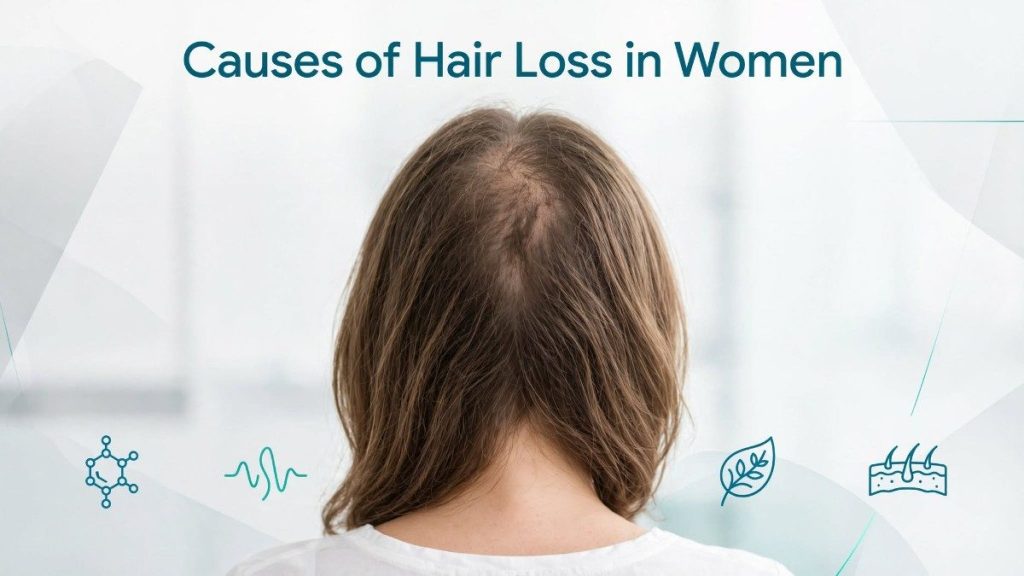
PRP has been studied most extensively in androgenetic alopecia, also known as pattern hair loss. This condition can affect both men and women and often causes gradual thinning rather than sudden shedding.
Women may notice:
- A widening central hair part
- Reduced density over the top of the scalp
- Gradual thinning
- Increased scalp visibility
Men may notice:
- Receding hairline
- Thinning at the crown
- Gradual reduction in hair density
PRP has also been studied in other types of hair loss, but the amount and quality of evidence differ. A treatment that may be appropriate for one type of hair loss may not be appropriate for another.
This is why identifying the cause of hair loss should come before deciding whether PRP is suitable.
How Does PRP Work for Hair Loss?
PRP is thought to support the local environment around hair follicles through the biological activity of platelets and the growth-related substances they release.
The exact mechanism is still being studied. Research suggests that PRP may influence processes involved in the hair follicle growth cycle and may support the activity of follicles that are still capable of producing hair. PubMed
This distinction is important. PRP should not be described as creating completely new hair follicles. Its potential benefit is more relevant to supporting existing or miniaturized follicles in suitable cases.
The response can therefore depend on the condition of the follicles before treatment.
How Long Does PRP Take to Show Hair Changes?
PRP does not usually produce an immediate visible change in hair density.
Hair grows through different phases, so changes in shedding or density take time to become noticeable. The American Academy of Dermatology notes that some patients may see less hair loss within a few months, followed by possible thickening or regrowth. American Academy of Dermatology
Treatment schedules vary. Some clinical protocols use a series of sessions followed by maintenance treatments, while the exact schedule may depend on the patient’s condition and the clinician’s treatment plan.
Because hair growth is gradual, judging the result too soon can give a misleading impression.
How Many PRP Sessions Are Needed for Hair Loss?
There is no single number of PRP sessions that is appropriate for every patient.
Published studies have used different treatment schedules, concentrations, preparation methods, and injection intervals. Some protocols involve several initial sessions followed by maintenance treatments. PubMed
The appropriate schedule depends on factors such as:
- Type of hair loss
- Degree of thinning
- Duration of the problem
- Scalp condition
- Previous treatment
- Individual response
Rather than choosing a fixed number of sessions based only on someone else’s experience, treatment planning should be based on the individual’s hair-loss pattern and clinical assessment.
Does PRP Work Better for Women or Men?
PRP has been studied in both men and women, and it may help people of either sex when the underlying hair-loss condition is appropriate.
Evidence in women is particularly relevant because female pattern hair loss is common and can present differently from male pattern hair loss. A systematic review and meta-analysis of randomized controlled trials found that PRP improved hair density and thickness in women with hair loss, although the researchers noted variation related to treatment protocols. PubMed
Earlier research has also suggested potential benefits in female pattern hair loss, particularly for hair density, but emphasized the need for larger and more standardized studies. PubMed
Therefore, sex alone should not determine whether PRP is suitable. The underlying diagnosis matters more.
Is PRP Better Than Minoxidil for Hair Loss?
PRP should not automatically be considered better than minoxidil.
A 2025 systematic review and meta-analysis comparing PRP with topical minoxidil found no clear difference between the treatments in some important outcomes, including hair density and terminal hair count. The researchers also highlighted differences between studies. PubMed
Another 2025 review found that the available clinical trials generally showed PRP and topical minoxidil to have broadly comparable effectiveness, while different outcomes favored different treatments in some analyses. PubMed
The choice between treatments depends on the type of hair loss, medical history, treatment goals, tolerance, and clinical assessment. In some cases, PRP may be considered alongside other treatments rather than as a replacement for them.
What Factors Affect PRP Results?
PRP results can vary because hair loss itself has many different causes and because PRP treatment protocols are not standardized.
Factors that may influence the outcome include:
- Type of hair loss
- Severity of thinning
- Duration of hair loss
- Condition of the hair follicles
- PRP preparation method
- Platelet concentration
- Treatment schedule
- Individual response
Research reviews have repeatedly noted substantial variation between PRP studies. Differences in preparation and treatment protocols make it difficult to predict exactly how much improvement an individual person will experience. PubMed
This is why another person’s PRP result should not be used as a guarantee of what someone else will experience.
What Are the Possible Side Effects of PRP?
PRP uses the patient’s own blood, but that does not mean the procedure has no possible side effects.
Temporary discomfort at the injection sites can occur. Some people may also experience short-term redness, swelling, tenderness, or bruising around the treated areas.
A 2024 meta-analysis of PRP for female hair loss found that adverse effects were generally mild and temporary. PubMed
The actual risks can depend on the injection technique, preparation method, and individual circumstances. A qualified medical professional should discuss the procedure and its potential risks before treatment.
Who May Not Be a Good Candidate for PRP?
PRP is not automatically suitable for everyone with hair loss.
A person may need a different approach if the hair loss is caused by an untreated scalp disorder, nutritional problem, hormonal condition, medication, active infection, or another medical issue. PRP also cannot be expected to restore hair where the underlying follicles are no longer capable of producing hair.
A proper evaluation is therefore important before starting treatment.
The first step should be understanding why the hair is falling, rather than choosing PRP simply because it is a popular treatment.
How Is PRP for Hair Loss Evaluated at Vita Clinic?
At Vita Clinic, hair loss concerns can be assessed according to the pattern of thinning, scalp condition, and possible contributing factors. The suitability of a treatment such as PRP depends on the individual diagnosis rather than the treatment name alone.
The assessment can help determine whether PRP may have a role in the person’s hair-care plan and whether other approaches should also be considered.
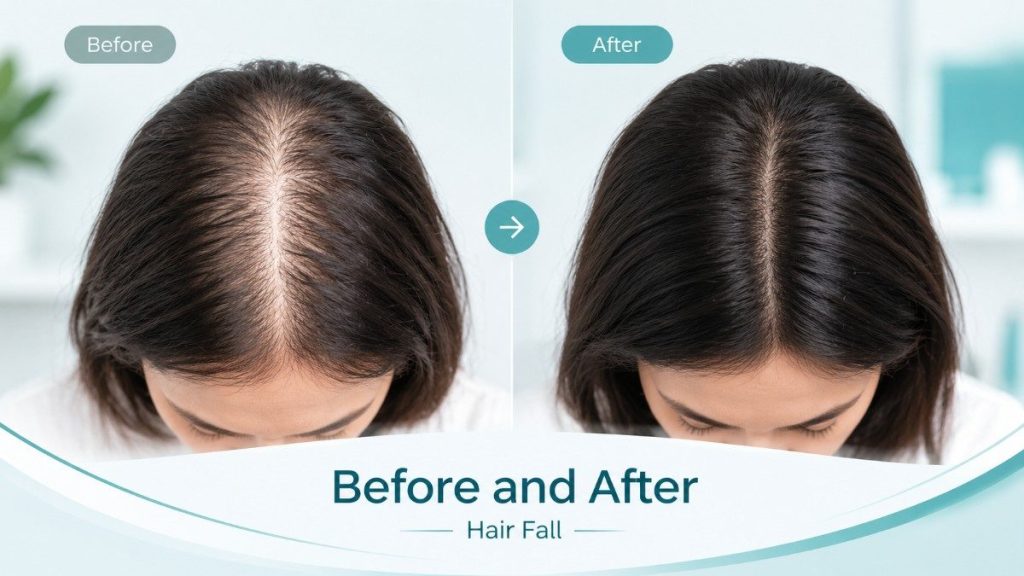
Monitoring hair density, shedding, scalp visibility, and changes over time can provide a more useful picture of progress than relying on a single photograph.
What Should You Expect From PRP Hair Treatment?
PRP should be approached as a treatment that may improve hair density or reduce shedding in suitable patients, rather than as a guaranteed method of restoring all lost hair.
Results usually take time to assess, and some people may respond better than others. The research supports potential benefits, particularly in pattern hair loss, but studies differ considerably in their treatment methods and quality. PubMed
A realistic treatment plan should therefore include an appropriate diagnosis, clear expectations, suitable treatment intervals, and follow-up assessment.