What Is Pigmentation Treatment?
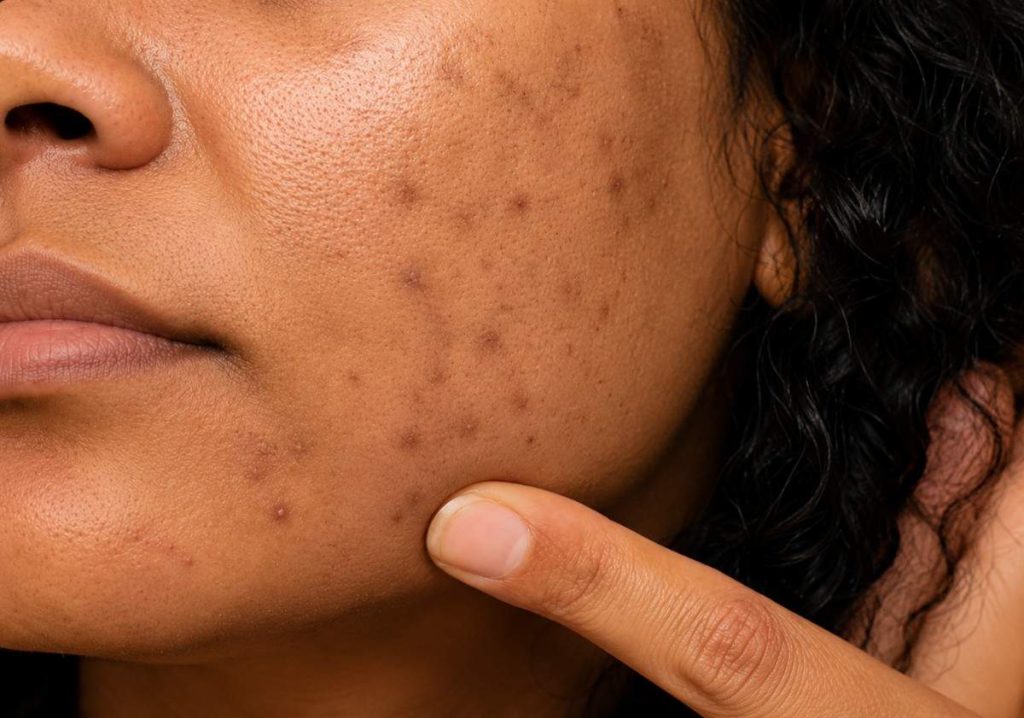
Pigmentation treatment refers to medical and aesthetic procedures designed to reduce unwanted skin discoloration and restore a more even skin tone. Uneven pigmentation can affect confidence and may develop due to sun exposure, hormonal changes, aging, inflammation, or certain skin conditions.
Modern pigmentation treatment options are designed to target excess melanin production while improving overall skin appearance. Whether pigmentation appears as dark spots, patches, melasma, or post-inflammatory marks, professional treatment can help improve skin clarity and texture.
Understanding Skin Pigmentation
Skin color is determined by melanin, a natural pigment produced by specialized cells called melanocytes. Melanin protects the skin from ultraviolet (UV) damage and contributes to individual skin tone.
When melanin production becomes uneven, pigmentation concerns may develop. Some areas may become darker than surrounding skin, leading to visible discoloration.
Pigmentation can appear on:
- Face
- Forehead
- Cheeks
- Nose
- Upper lip
- Neck
- Hands
- Arms
- Shoulders
Pigmentation treatment focuses on addressing these concerns safely while supporting healthier-looking skin.
Common Causes of Pigmentation
Understanding the cause is essential before beginning treatment.
Sun Exposure
Excessive sun exposure is one of the leading causes of pigmentation. UV rays stimulate melanin production, which can result in dark spots and uneven skin tone.
Hormonal Changes
Hormonal fluctuations may trigger pigmentation conditions such as melasma.
Aging
As skin ages, pigment-producing cells can become unevenly distributed, leading to age spots.
Acne and Skin Inflammation
Inflammation caused by acne, eczema, or injuries may leave behind dark marks known as post-inflammatory hyperpigmentation.
Genetics
Some individuals are naturally more prone to developing pigmentation.
Certain Medications
Specific medications can increase skin sensitivity and contribute to pigmentation issues.
Types of Skin Pigmentation
Different forms of pigmentation require different pigmentation treatment approaches.
Melasma
Melasma appears as symmetrical brown or gray patches, commonly affecting the cheeks, forehead, and upper lip.
Sunspots
Also called age spots or solar lentigines, these develop due to prolonged UV exposure.
Post-Inflammatory Hyperpigmentation
Dark marks that appear after acne, injuries, burns, or skin irritation.
Freckles
Small pigmented spots often influenced by genetics and sun exposure.
Uneven Skin Tone
Generalized pigmentation that causes certain areas of skin to appear darker than others.

Signs That You May Need Pigmentation Treatment
You may benefit from pigmentation treatment if you notice:
- Persistent dark spots
- Uneven skin tone
- Brown patches on the face
- Post-acne marks
- Sun-induced discoloration
- Age-related pigmentation
- Pigmentation resistant to home remedies
- Recurring melasma
Seeking professional evaluation helps determine the most suitable pigmentation treatment plan.
Benefits of Pigmentation Treatment
Pigmentation treatment offers several advantages beyond cosmetic improvement.
Improved Skin Tone
Treatment helps reduce visible discoloration and promotes a more balanced complexion.
Enhanced Confidence
Clearer skin often improves self-confidence and overall satisfaction with appearance.
Reduction of Dark Spots
Professional pigmentation treatment targets stubborn pigmentation that may not respond to skincare products alone.
Healthier-Looking Skin
Many treatment options improve skin texture and radiance.
Customized Solutions
Pigmentation treatment plans can be tailored according to skin type and pigmentation severity.
Long-Term Skin Improvement
With proper maintenance, results can be long-lasting.
How Pigmentation Treatment Works
Pigmentation treatment works by targeting excess melanin while encouraging healthier skin renewal.
The treatment process may involve:
Evaluation
A detailed skin assessment helps identify the type and cause of pigmentation.
Treatment Planning
The most appropriate pigmentation treatment method is selected based on individual needs.
Targeted Therapy
Specific treatments focus on reducing excess pigment and promoting skin renewal.
Maintenance
Follow-up care helps maintain treatment results and prevent recurrence.
Popular Pigmentation Treatment Options
Several pigmentation treatment methods are commonly used.
Chemical Peels
Chemical peels exfoliate damaged skin layers and encourage fresh skin regeneration.
Benefits
- Improves skin tone
- Reduces pigmentation
- Enhances skin texture
Laser Pigmentation Treatment
Laser technology targets pigment deposits while minimizing damage to surrounding skin.
Benefits
- Precise treatment
- Reduced dark spots
- Improved skin clarity
Microneedling
Microneedling stimulates collagen production and supports skin rejuvenation.
Benefits
- Improves texture
- Helps reduce pigmentation
- Promotes healthier skin
Medical Skincare Programs
Professional skincare regimens may include active ingredients that help manage pigmentation.
Benefits
- Gradual improvement
- Supports long-term maintenance
- Suitable for various skin types
Combination Treatments
Many individuals achieve optimal results through a combination of pigmentation treatment methods.
What to Expect During Pigmentation Treatment
The pigmentation treatment experience varies depending on the selected procedure.
Typically, the process includes:
Consultation
A skin specialist evaluates your concerns and treatment goals.
Skin Analysis
Detailed examination helps identify pigmentation patterns.
Treatment Session
The selected pigmentation treatment is performed under professional supervision.
Recovery Guidance
Post-treatment instructions are provided to support healing and maximize results.
Aftercare Tips Following Pigmentation Treatment
Proper aftercare plays a major role in maintaining results.
Use Sunscreen Daily
Broad-spectrum sunscreen helps prevent further pigmentation.
Avoid Excessive Sun Exposure
Protecting the skin from UV rays reduces the risk of recurrence.
Follow Professional Advice
Use recommended skincare products consistently.
Stay Hydrated
Healthy hydration supports skin recovery.
Avoid Picking or Scratching
Allow the skin to heal naturally after treatment.
Maintain a Gentle Skincare Routine
Avoid harsh products that may irritate treated skin.
How to Prevent Future Pigmentation
Prevention is an important part of long-term skin health.
Consider the following habits:
- Wear sunscreen every day
- Reapply sun protection regularly
- Use protective clothing outdoors
- Manage acne early
- Follow a proper skincare routine
- Avoid unnecessary skin trauma
- Maintain healthy lifestyle habits
These measures complement professional pigmentation treatment and help preserve results.
Who Is a Good Candidate for Pigmentation Treatment?
Pigmentation treatment may be suitable for:
- Individuals with melasma
- People with sunspots
- Those with post-acne pigmentation
- Individuals seeking a more even complexion
- Adults experiencing age-related pigmentation
- Patients with uneven skin tone
A professional consultation helps determine the most effective pigmentation treatment strategy.
Myths About Pigmentation Treatment
Myth 1: Pigmentation Always Goes Away Naturally
Some pigmentation concerns may persist without professional treatment.
Myth 2: Sunscreen Is Not Necessary
Sun protection remains one of the most important factors in pigmentation management.
Myth 3: All Pigmentation Is the Same
Different pigmentation conditions require different treatment approaches.
Myth 4: Results Appear Overnight
Most pigmentation treatment plans require time and consistency.
Myth 5: Home Remedies Can Treat Every Type of Pigmentation
Professional evaluation is often necessary for persistent pigmentation concerns.
Why Early Pigmentation Treatment Matters
Addressing pigmentation early can improve treatment outcomes and prevent worsening discoloration.
Benefits of early treatment include:
- Easier management
- Faster improvement
- Reduced pigmentation progression
- Better skin appearance
- Improved confidence
Early intervention often allows for more effective and predictable results.
Conclusion
Pigmentation treatment has become an effective solution for individuals seeking clearer, brighter, and more even-toned skin. Whether pigmentation develops due to sun exposure, hormonal changes, acne, aging, or genetics, modern pigmentation treatment options can help address discoloration while improving overall skin quality.
The key to successful treatment lies in accurate diagnosis, personalized care, consistent aftercare, and proper sun protection. By combining professional treatments with healthy skincare habits, individuals can achieve noticeable improvements and maintain long-term skin health. For additional information about managing hyperpigmentation and maintaining healthy skin, explore the resources available from the American Academy of Dermatology Association.