How To Stop Hair Fall Effectively: Complete Guide For Healthier And Stronger Hair
Hair fall has become one of the most common concerns affecting both men and women today. Losing a few strands of hair daily is normal, but excessive hair shedding, thinning hair, and reduced hair density may indicate an underlying issue that requires attention.
Many people search for how to stop hair fall effectively because hair loss can affect confidence, appearance, and overall well-being. The good news is that early intervention, proper scalp care, healthy lifestyle habits, and advanced hair restoration treatments can help manage hair fall and support healthier hair growth.
Understanding Hair Fall
Hair naturally goes through different growth cycles. Each strand experiences growth, resting, and shedding phases. Problems arise when hair shedding increases or when new hair growth slows down significantly.
Excessive hair fall may occur due to multiple reasons, including hormonal imbalance, stress, nutritional deficiencies, scalp disorders, genetics, and unhealthy hair care practices.
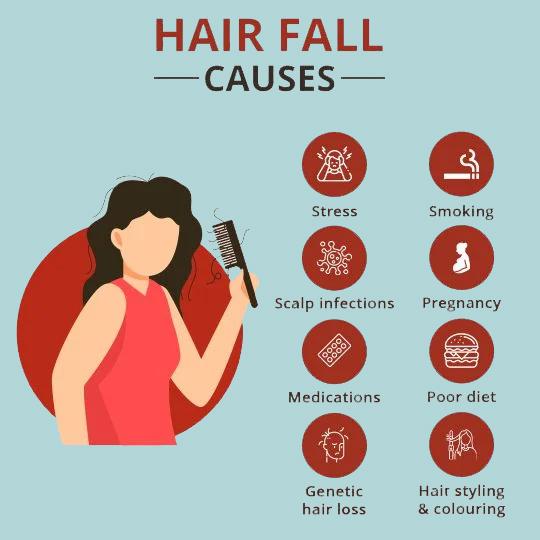
Common Causes Of Hair Fall
Hormonal Changes
Hormonal fluctuations can weaken hair follicles and trigger excessive shedding.
- Stress And Lifestyle Factors
High stress levels, poor sleep quality, smoking, and unhealthy lifestyle habits can negatively affect hair growth.
- Nutritional Deficiencies
Hair requires adequate protein, iron, zinc, biotin, and essential vitamins for healthy growth.
- Genetic Hair Loss
Hereditary hair thinning is one of the leading causes of long-term hair loss.
- Scalp Conditions
Dandruff, scalp inflammation, infections, and poor scalp hygiene may contribute to hair fall.
- Excessive Hair Styling
Frequent use of heat styling tools, chemical treatments, and harsh hair products may damage hair follicles.
Effective Ways To Stop Hair Fall Naturally
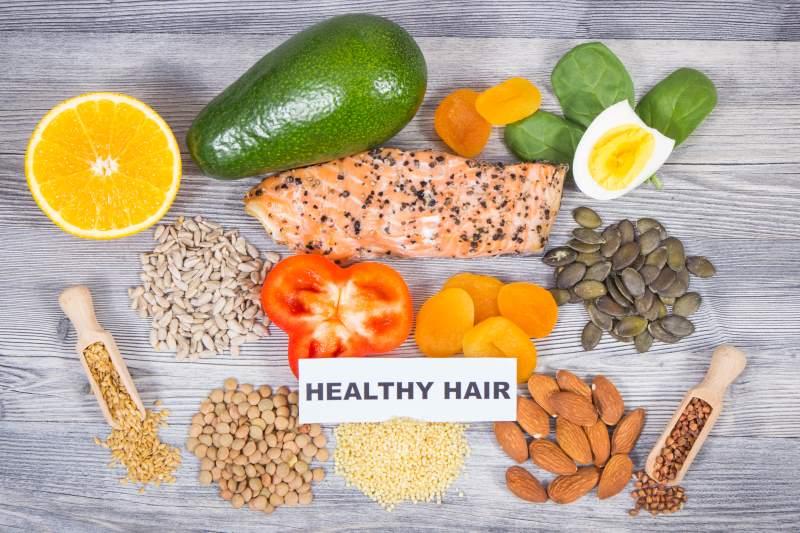
- Maintain A Healthy Diet
- Stay Hydrated
- Reduce Stress
- Avoid Excessive Heat Styling
- Use Gentle Hair Care Products
- Improve Scalp Health
Advanced Treatments For Hair Fall
When lifestyle improvements alone are not enough, advanced hair restoration procedures may help support healthier hair growth.
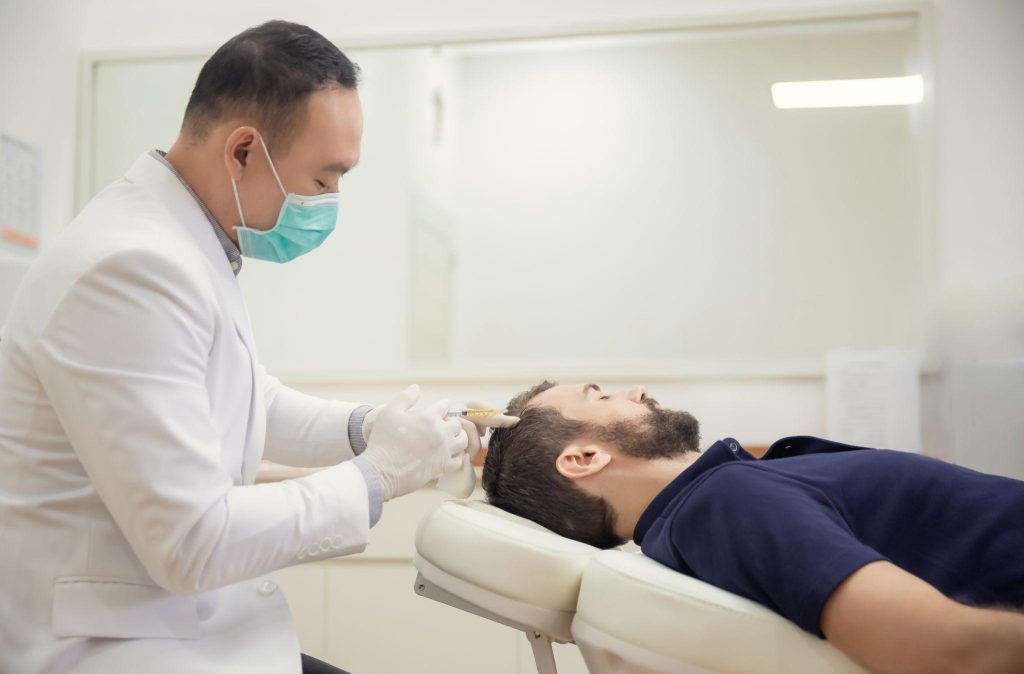
One of the most popular modern solutions is PRP therapy, which uses platelet-rich plasma derived from the patient’s own blood to stimulate hair follicles and improve scalp circulation.
PRP treatment focuses on strengthening weak follicles, supporting scalp rejuvenation, and promoting natural-looking hair growth over time.
Individuals experiencing persistent hair thinning or reduced hair density often consider advanced regenerative treatments as part of a comprehensive hair restoration plan.
How PRP Therapy Helps Reduce Hair Fall
PRP treatment may support:
- Stronger hair follicles
- Improved scalp blood circulation
- Reduced hair shedding
- Better follicle nourishment
- Increased hair density
- Healthier scalp environment
- Natural hair growth stimulation
Lifestyle Habits For Long-Term Hair Health
To maintain healthier hair:
- Follow a balanced diet
- Exercise regularly
- Sleep 7–8 hours daily
- Avoid smoking
- Protect hair from excessive sun exposure
- Manage stress effectively
- Follow professional scalp care recommendations
When To Seek Professional Help
Consult a hair restoration specialist if you notice:
- Rapid hair loss
- Sudden thinning
- Bald patches
- Receding hairline
- Hair fall lasting several months
- Scalp irritation or inflammation
Early diagnosis and treatment can help preserve existing hair and improve long-term outcomes.
Conclusion
Understanding how to stop hair fall effectively requires identifying the underlying causes and taking early action to improve scalp and hair health. Healthy nutrition, proper scalp care, stress management, and professional evaluation can play a significant role in reducing excessive hair shedding and supporting stronger hair growth.
For individuals experiencing persistent hair thinning or reduced hair density, advanced regenerative treatments such as PRP therapy may help strengthen hair follicles, improve scalp circulation, and support natural hair restoration. Combining healthy lifestyle habits with scientifically supported hair restoration approaches can contribute to healthier, thicker, and stronger-looking hair over time.
To learn more about advanced regenerative hair restoration options, explore our detailed guide on PRP Hair Treatment Pala and discover how platelet-rich plasma therapy supports natural hair growth and scalp rejuvenation.
Learn More -> PRP Treatment
Frequently Asked Questions
1. What is the most effective way to stop hair fall at home?
The most effective home remedies include regular scalp massage with rosemary or castor oil, eating a protein and iron-rich diet, reducing stress, and using a gentle sulphate-free shampoo. Consistency is key results typically appear after 6–8 weeks of regular practice.
2. How many strands of hair fall per day is considered normal?
Losing 50 to 100 strands of hair per day is considered completely normal as part of the natural hair growth cycle. If you are consistently losing more than 150 strands daily, it is advisable to consult a dermatologist for evaluation.
3. Can stress cause permanent hair fall?
Stress-induced hair loss, known as telogen effluvium, is usually temporary. Once stress levels are managed, hair growth typically resumes within 3 to 6 months. However, prolonged chronic stress without intervention can lead to more persistent thinning over tim
4. Which vitamin deficiency is most commonly linked to hair fall?
Deficiencies in Vitamin D, iron (ferritin), biotin, and zinc are the most commonly associated with increased hair shedding. A simple blood test can identify which nutrient you may be lacking so targeted supplementation can begin.
5. Does PRP therapy effectively stop hair fall?
Yes, PRP therapy is a clinically backed treatment that uses growth factors from your own blood to stimulate dormant hair follicles and significantly reduce hair fall. Multiple studies have reported notable improvements in hair density and reduced shedding after 3 to 4 sessions.
6. How long does it take to see results from hair fall treatments?
Most hair fall treatments whether dietary changes, topical oils, or medical treatments require a minimum of 3 to 6 months to show visible results. Hair grows approximately 1 to 1.5 cm per month, so patience and consistency are essential throughout the treatment period.
7. Is hair fall in women different from hair fall in men?
Yes. Men typically experience androgenetic alopecia (receding hairline and crown thinning), while women more commonly experience diffuse thinning across the scalp due to hormonal changes, PCOS, or nutritional deficiencies. Treatment approaches may differ based on the underlying cause and gender.
8. Can oiling hair everyday stop hair fall?
9. Are there any foods that directly reduce hair fall?
Yes. Foods rich in biotin (eggs, nuts), iron (spinach, lentils), omega-3 fatty acids (salmon, flaxseeds), zinc (pumpkin seeds), and Vitamin C (citrus fruits) are directly linked to stronger, healthier hair growth and reduced shedding when consumed regularly.
10. When should I consider medical treatment for hair fall?
If your hair fall persists for more than 3 months despite home remedies, or if you notice visible bald patches, rapid thinning, or scalp inflammation, it is time to seek professional medical advice. A dermatologist may recommend treatments such as minoxidil, PRP therapy, or hormonal evaluation depending on the diagnosis.