
Pigmentation Treatment Cost: Complete Guide to Pricing, Factors, and Treatment Options
Pigmentation concerns can affect people of all ages and skin types. Whether caused by sun exposure, hormonal changes, acne scars, aging, or genetics, unwanted pigmentation often leads individuals to seek professional solutions. Understanding Pigmentation Treatment Cost is one of the most important steps before starting treatment.
Many people in Pala considering professional pigmentation care want to know what influences treatment pricing and how different treatment methods compare. While costs vary depending on individual skin concerns, understanding the factors involved can help patients make informed decisions.
This guide explains everything you need to know about Pigmentation Treatment Cost, including factors that affect pricing, available treatment options, expected results, benefits, aftercare, and frequently asked questions.
What Is Pigmentation Treatment?
Pigmentation treatment refers to medical and aesthetic procedures designed to reduce excess melanin deposits that cause dark spots, uneven skin tone, melasma, sunspots, and post-inflammatory hyperpigmentation.
Modern treatments target the underlying causes of pigmentation while improving overall skin clarity and texture.
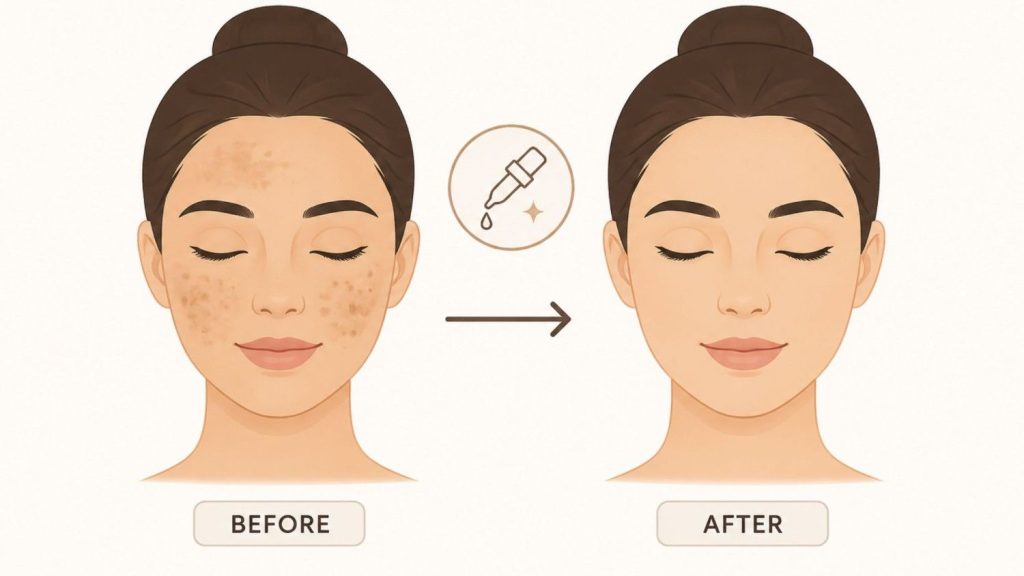
Common areas treated include:
- Face
- Forehead
- Cheeks
- Nose
- Upper lip
- Neck
- Hands
- Arms
- Shoulders
Understanding available treatment options helps patients better evaluate Pigmentation Treatment Cost and expected outcomes.
Understanding Pigmentation Treatment Cost
The term Pigmentation Treatment Cost refers to the total expenses associated with diagnosing, treating, and maintaining pigmentation correction procedures.
Treatment costs may vary depending on:
- Severity of pigmentation
- Type of pigmentation
- Number of treatment sessions
- Technology used
- Specialist expertise
- Customized skincare plans
- Follow-up requirements
Because every patient has unique skin concerns, treatment pricing is usually individualized.
Factors That Influence Pigmentation Treatment Cost
Several important factors affect Pigmentation Treatment Cost.
Type of Pigmentation
Different pigmentation conditions require different treatment approaches.
Examples include:
- Melasma
- Sunspots
- Age spots
- Freckles
- Post-inflammatory hyperpigmentation
- Uneven skin tone
More complex conditions often require additional sessions and advanced treatment methods.
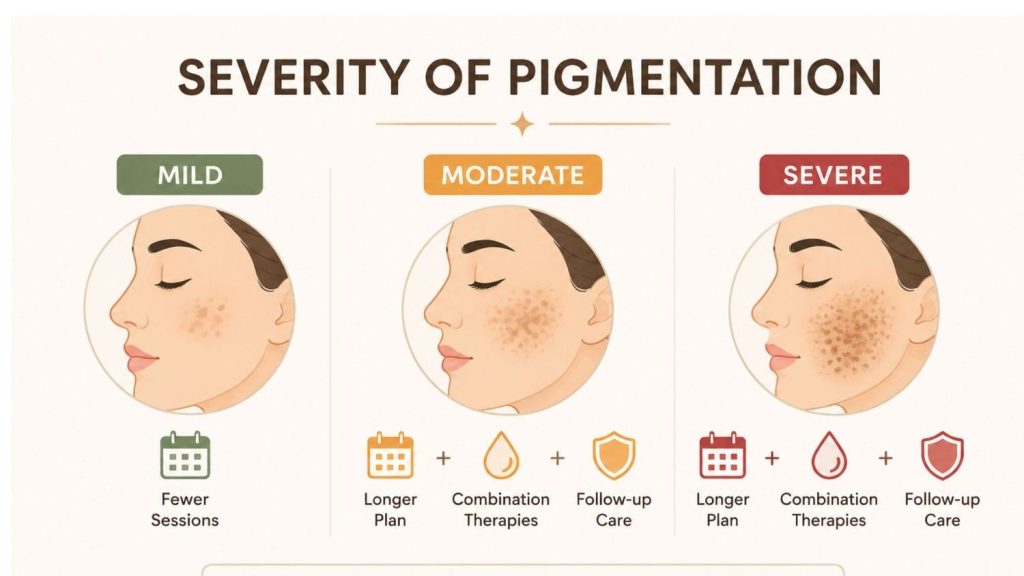
Severity of Pigmentation
Mild pigmentation may respond to fewer treatment sessions.
Moderate to severe pigmentation often requires:
- Longer treatment plans
- Combination therapies
- Extended follow-up care
This can influence overall Pigmentation Treatment Cost.
Treatment Method Selected
Various treatment options have different pricing structures.
These may include:
- Chemical peels
- Laser treatments
- Microneedling
- Medical skincare programs
- Combination therapies
The selected procedure plays a major role in determining Pigmentation Treatment Cost.
Number of Sessions Required
Most pigmentation concerns cannot be resolved in a single session.
Patients may require:
- Multiple chemical peels
- Several laser sessions
- Ongoing maintenance treatments
The number of sessions significantly impacts total treatment expenses.
Skin Type and Response
Individual skin characteristics influence treatment planning.
Factors include:
- Skin sensitivity
- Pigmentation depth
- Melanin activity
- Healing response
Customized plans may affect overall Pigmentation Treatment Cost.
Specialist Experience
Experienced skin specialists often create highly personalized treatment plans that optimize safety and results.
Professional evaluation is an important component of successful pigmentation management.
Common Types of Pigmentation
Understanding the type of pigmentation can help explain differences in Pigmentation Treatment Cost.
Melasma and Sunspots
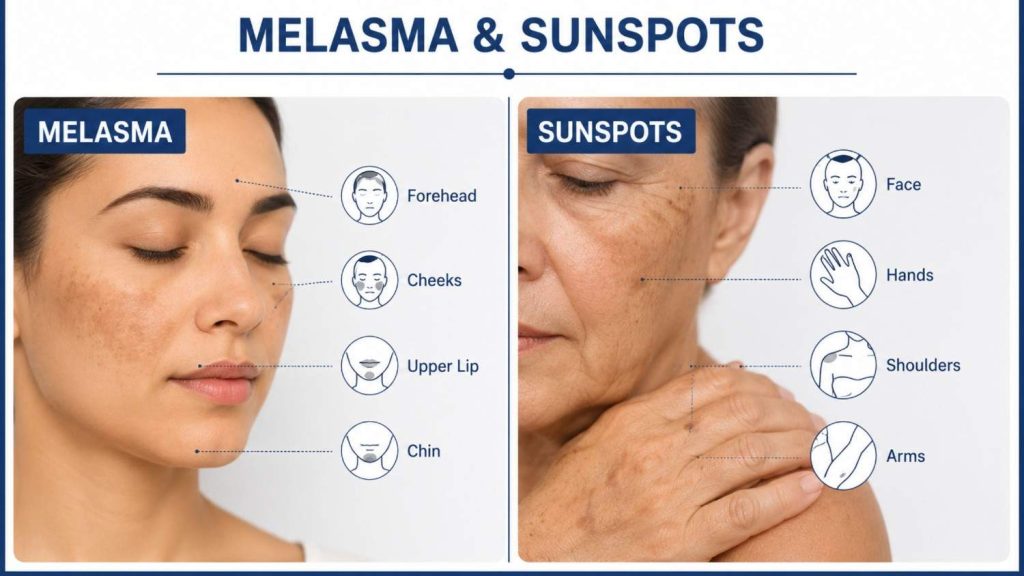
Melasma appears as symmetrical brown or grey patches that commonly develop on the forehead, cheeks, upper lip, and chin. It is often associated with hormonal changes and may require long-term management to maintain results.
Sunspots, also known as age spots, develop after prolonged exposure to ultraviolet (UV) rays. These darkened areas typically appear on sun-exposed regions such as the face, hands, shoulders, and arms. Early treatment and consistent sun protection can help reduce their appearance and prevent further pigmentation.
Post-Inflammatory Hyperpigmentation and Freckles
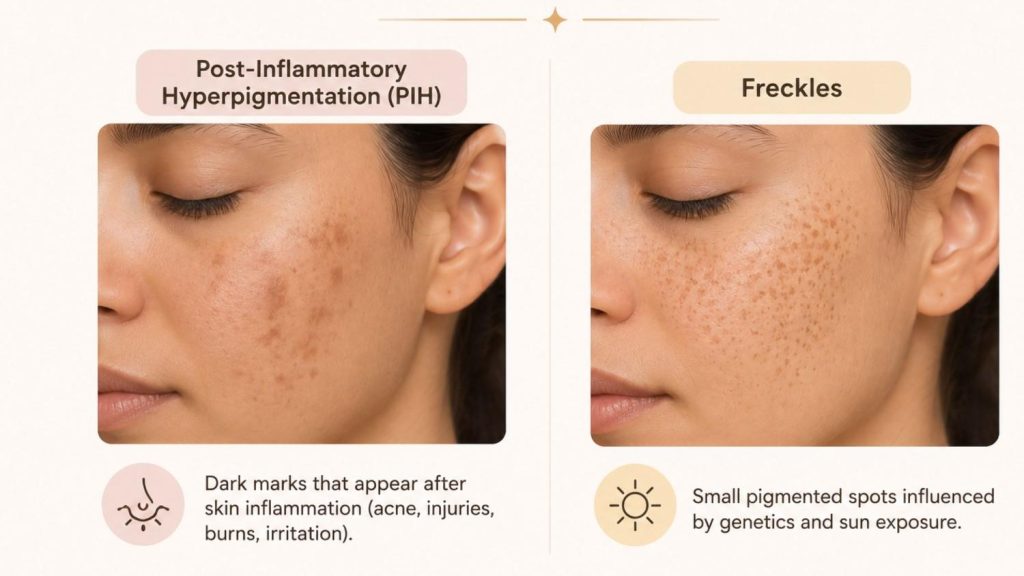
Post-inflammatory hyperpigmentation (PIH) appears as dark marks that develop after skin inflammation caused by acne, injuries, burns, or other forms of skin irritation. The severity and duration of these marks can vary, and treatment requirements often depend on the depth and extent of pigmentation.
Freckles are small pigmented spots that are commonly influenced by genetics and sun exposure. While freckles are usually harmless, some individuals choose treatment options to reduce their appearance and achieve a more even skin tone.
Symptoms That May Require Professional Treatment
You may benefit from professional evaluation if you notice:
- Persistent dark spots
- Uneven skin tone
- Facial discoloration
- Acne marks
- Sun-induced pigmentation
- Age-related pigmentation
- Recurring melasma
- Pigmentation resistant to home remedies
Early treatment often improves outcomes.
Popular Treatment Options and Their Cost Considerations
Chemical Peels
Chemical peels remove damaged skin layers and encourage regeneration.
Benefits include:
- Improved skin tone
- Reduced pigmentation
- Better texture
Laser Pigmentation Treatment
Laser treatment targets concentrated pigment deposits.
Benefits include:
- Precision treatment
- Improved skin clarity
- Reduction of stubborn pigmentation
Laser procedures may influence overall Pigmentation Treatment Cost depending on the number of sessions required.
Microneedling
Microneedling stimulates skin repair and collagen production.
Benefits include:
- Enhanced skin texture
- Reduction in pigmentation
- Improved skin rejuvenation
Combination Treatments
Many patients achieve optimal results through combined approaches.
Examples include:
- Chemical peels with skincare
- Laser therapy with maintenance products
- Microneedling combined with topical treatments
Combination approaches may affect total Pigmentation Treatment Cost.
What to Expect During Treatment
Consultation
A specialist evaluates:
- Skin type
- Pigmentation pattern
- Treatment goals
Skin Assessment
Detailed examination helps determine the most suitable treatment plan.
Treatment Session
The selected procedure is performed under professional supervision.
Follow-Up
Regular reviews help monitor progress and optimize results.
Tips to Maximize Treatment Results
To get the best value from your Pigmentation Treatment Cost, consider the following:
- Follow treatment schedules consistently
- Use sunscreen daily
- Attend follow-up appointments
- Maintain healthy skincare habits
- Avoid excessive sun exposure
- Stay hydrated
- Follow professional advice carefully
These habits can improve and maintain treatment outcomes.
Conclusion
Understanding Pigmentation Treatment Cost helps patients make informed decisions about improving skin clarity and overall appearance. The total cost depends on several factors, including pigmentation type, treatment method, severity, and maintenance requirements. With professional assessment, customized treatment planning, and proper aftercare, patients can achieve noticeable improvements in skin tone and texture. Those considering pigmentation care in Pala should seek expert evaluation to determine the most suitable treatment strategy and expected investment for long-term results.
The key to successful treatment lies in accurate diagnosis, personalized care, consistent aftercare, and proper sun protection. By combining professional treatments with healthy skincare habits, individuals can achieve noticeable improvements and maintain long-term skin health. For additional information about managing hyperpigmentation and maintaining healthy skin, explore the resources available from the American Academy of Dermatology Association.