Skin concerns can affect comfort, appearance and confidence at any age. Consulting a skin doctor in Pala allows you to understand the actual cause of a concern instead of relying on random products or temporary solutions. A qualified dermatologist can evaluate your skin type, symptoms, medical history and lifestyle before recommending suitable care.
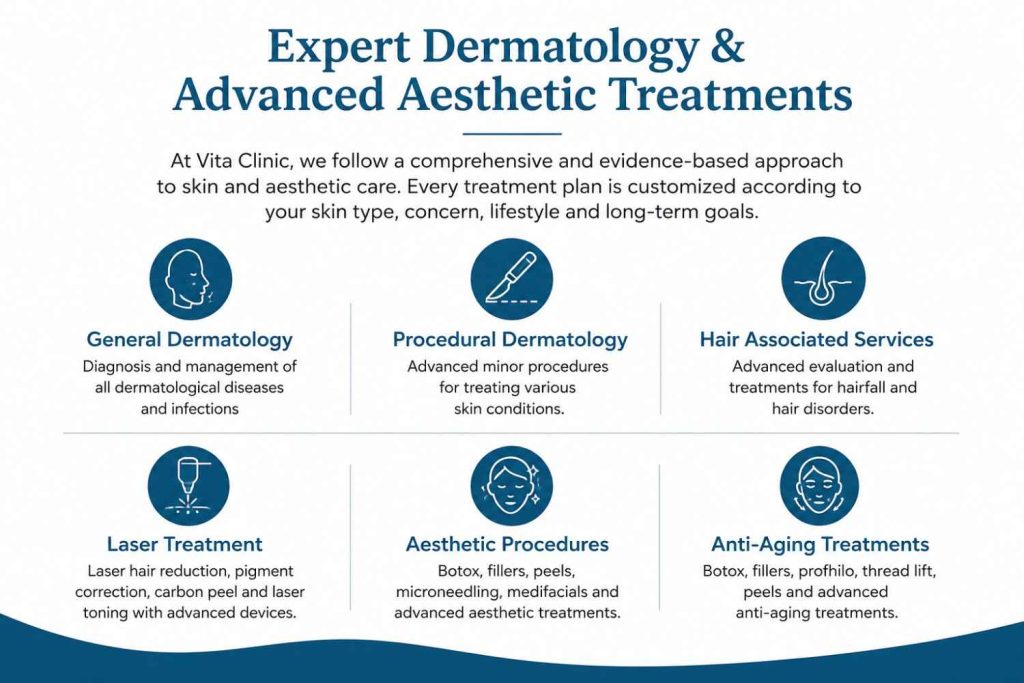
The clinic follows an evidence-based approach to general dermatology, procedural dermatology, hair concerns, laser treatments, aesthetic procedures and anti-ageing care.
What Does a Skin Doctor Do?
A skin doctor, also known as a dermatologist, is trained to diagnose and manage conditions involving the skin, scalp, hair and nails. Dermatologists also perform medical and aesthetic procedures when clinically appropriate.
A consultation with a skin doctor in Pala may include:
- Detailed examination of the affected area
- Review of symptoms and their duration
- Evaluation of skin type and sensitivity
- Discussion of allergies and medical conditions
- Assessment of medicines and skincare products
- Hair and scalp examination when required
- Explanation of possible treatment choices
- Guidance on daily skincare and prevention
Some concerns may appear similar on the surface but have different underlying causes. For example, facial redness may be associated with irritation, acne, rosacea, allergy or infection. A proper diagnosis helps avoid treatments that may worsen the condition.
Common Causes of Skin Problems
Skin problems can develop due to internal conditions, environmental exposure, genetics or daily habits. Identifying the cause is an important part of dermatological care.
Hormonal Changes
Hormonal changes during puberty, menstruation, pregnancy or certain medical conditions may influence oil production, acne, pigmentation and hair growth.
Sun Exposure
Frequent exposure to ultraviolet rays can contribute to tanning, uneven pigmentation, premature ageing and changes in skin texture. Daily sun protection is often an important part of a treatment plan.
Allergic Reactions
Cosmetics, fragrances, hair dyes, jewellery, detergents and certain fabrics can sometimes trigger itching, redness, swelling or rashes.
Infections
Bacterial, fungal and viral infections can affect different areas of the skin. Correct identification is important because each type requires a different approach.

Lifestyle Factors
Stress, inadequate sleep, poor nutrition, smoking and unsuitable skincare habits can influence the health and appearance of the skin.
A skin doctor in Pala can consider these factors together rather than treating only the visible symptom.
Types of Conditions Evaluated by a Skin Doctor in Pala
Dermatology covers a wide range of medical and cosmetic concerns. The type of care recommended depends on the diagnosis, severity of the condition, skin type and individual goals.
- Acne and Breakouts
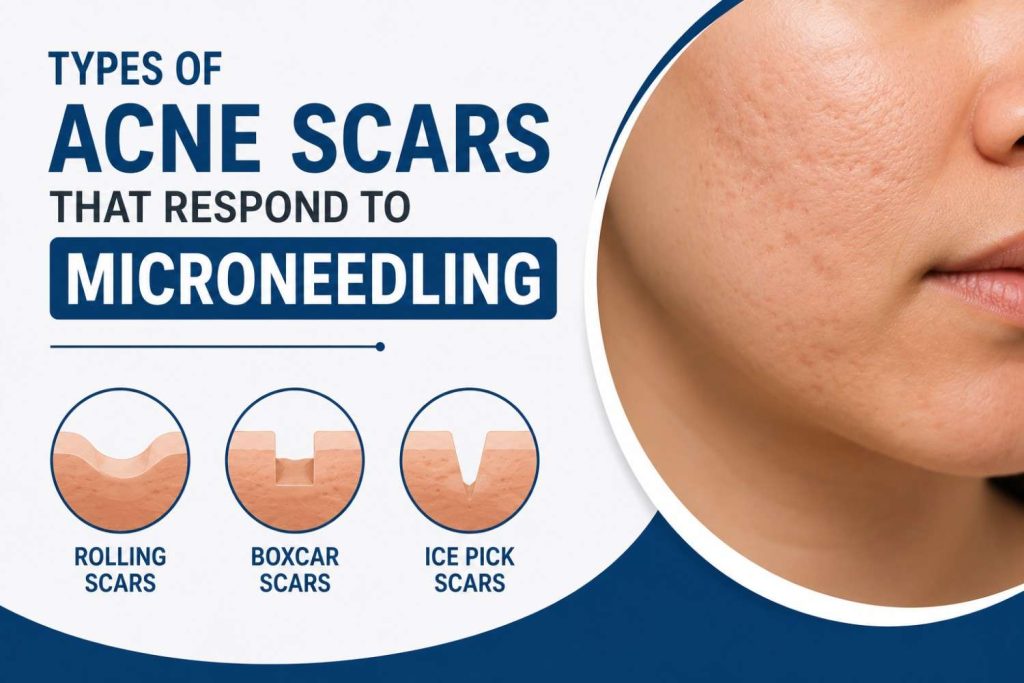
Acne can appear as blackheads, whiteheads, inflamed bumps, pus-filled pimples or deeper cysts. It may affect the face, chest, shoulders and back.
Treatment may involve topical medicines, oral medication, chemical peels or other procedures based on the type and severity of acne.
- Pigmentation Concerns
Pigmentation may appear as dark patches, acne marks, sunspots or uneven skin tone. Common causes include sun exposure, inflammation, hormonal changes and certain skin conditions.
A dermatologist may recommend sunscreen, topical medication, chemical peels, laser toning or pigment-correction procedures after evaluating the cause.
- Skin Allergies and Rashes
Itching, redness, dryness, swelling and recurrent rashes may be associated with contact dermatitis, eczema, urticaria or other conditions.
A skin doctor in Pala may review possible triggers and recommend medication, moisturisers, allergy precautions or further testing when appropriate.
- Fungal and Bacterial Infections
Fungal infections commonly affect skin folds, feet, nails and other warm or moist areas. Bacterial infections may cause pain, redness, swelling or discharge.
Self-treatment may temporarily hide the symptoms without fully managing the infection. Medical evaluation helps identify the condition and select suitable treatment.
- Hair and Scalp Problems
Hair fall may result from nutritional deficiency, stress, hormonal imbalance, hereditary thinning, scalp inflammation, illness or unsuitable hair practices.
Hair evaluation may include scalp examination, medical history and laboratory investigations when required.
- Nail Disorders
Changes in nail colour, shape, texture or thickness can result from infection, injury, skin disease or health conditions. A dermatologist can examine the nail and recommend appropriate care.
- Ageing-Related Changes
Fine lines, volume loss, uneven texture and reduced skin firmness may become more visible with age. Dermatological care may include skincare guidance, peels, injectables or other aesthetic procedures based on suitability.
Symptoms That May Need Dermatological Evaluation
Some mild skin concerns improve with basic care. However, a consultation may be useful when symptoms continue, recur or affect daily comfort.
Consider seeing a skin doctor in Pala for symptoms such as:
- Persistent itching or irritation
- Repeated skin rashes
- Sudden or severe acne
- Painful pimples or cysts
- Increasing pigmentation
- Unexplained hair loss
- Persistent dandruff or scalp itching
- Changes in a mole or skin growth
- Nail discolouration or thickening
- Skin infections that keep returning
- Wounds that heal slowly
- Reactions after using skincare products
Changes in moles, unusual bleeding, rapidly growing lesions or non-healing wounds should be medically evaluated without unnecessary delay.
9 Benefits of Consulting a Skin Doctor in Pala
1. Accurate Diagnosis
Many skin conditions have similar symptoms. A dermatologist can distinguish between acne, infection, allergy, eczema and other possible causes.
2. Personalised Treatment Planning
Skin type, age, sensitivity, health history and lifestyle differ between patients. A personalised plan is often more appropriate than following general online advice.
3. Evidence-Based Care
Qualified dermatologists base treatment decisions on medical evidence, clinical examination and established dermatological practices.
4. Safer Use of Medication
Some creams contain steroids or strong active ingredients. Unsupervised use may cause thinning, irritation, acne or pigment changes. Medical guidance supports safer use.
5. Management of Skin and Hair Together
Hair fall and scalp conditions can sometimes be connected to skin health, nutrition or hormonal factors. Combined evaluation may provide a clearer understanding.
6. Access to Dermatological Procedures
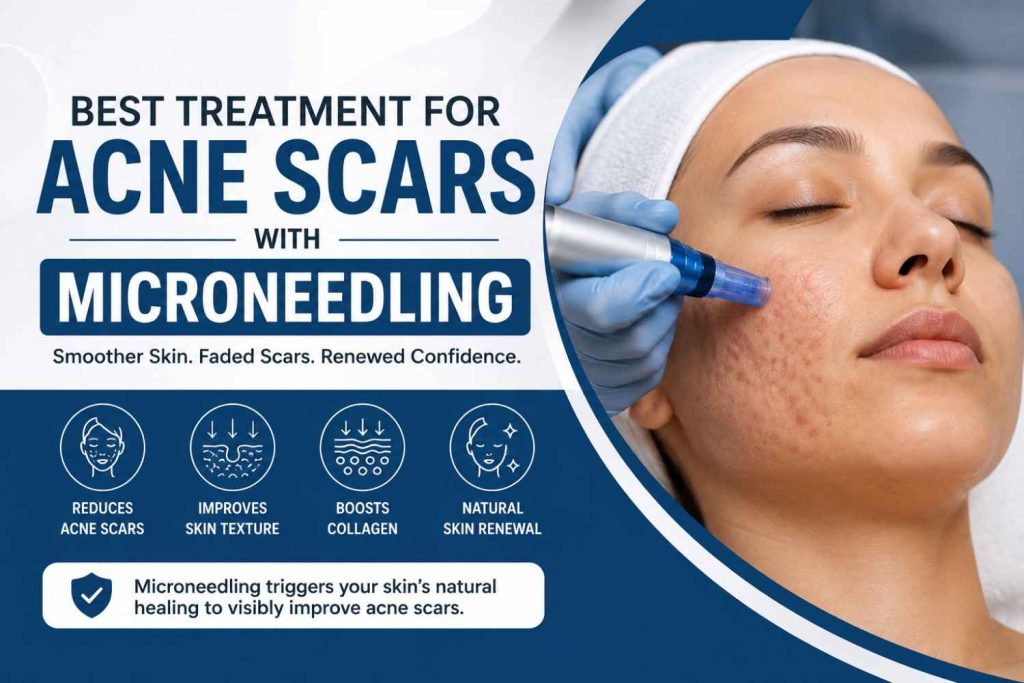
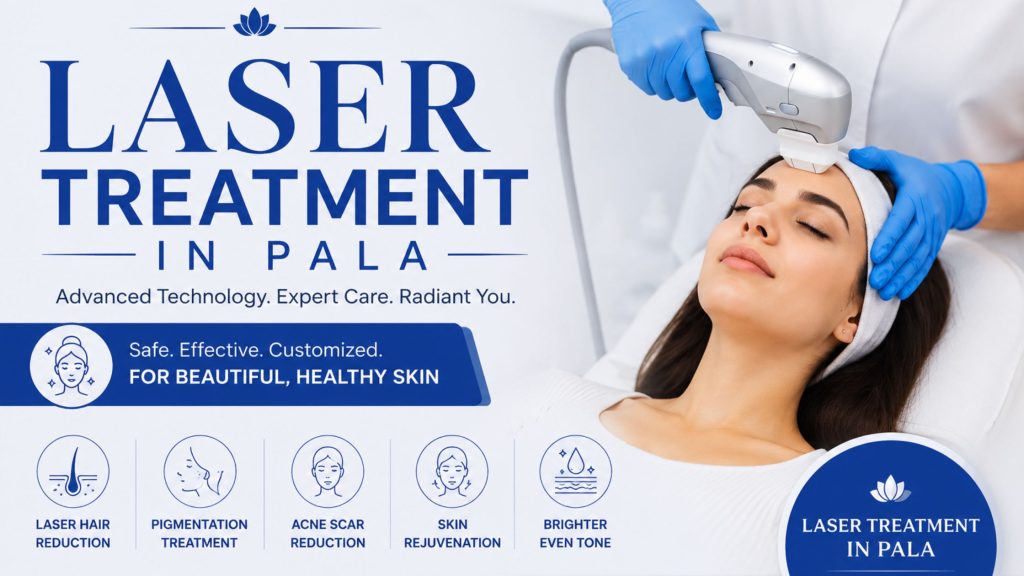
A skin doctor in Pala can assess whether procedures such as chemical peels, microneedling, minor dermatological surgery or laser treatments are suitable.
7. Prevention of Complications
Early care may help reduce the risk of scarring, spreading infections, persistent inflammation and worsening symptoms.
8. Practical Skincare Guidance
A dermatologist can recommend a manageable routine based on your skin type rather than suggesting an unnecessarily complicated collection of products.
9. Long-Term Monitoring
Conditions such as acne, eczema, psoriasis, pigmentation and hereditary hair thinning may require follow-up. Monitoring helps the treatment plan evolve according to the response.
Tips for Choosing the Right Skin Doctor in Pala
Before selecting a dermatologist, consider the doctor’s qualifications, clinical experience and approach to patient care.
Look for:
- Recognised dermatology qualifications
- Clear explanation of the diagnosis
- Personalised treatment planning
- Evidence-based recommendations
- Proper discussion before procedures
- Information about benefits and possible risks
- Realistic expectations
- Clear aftercare instructions
- Follow-up support when needed
- Clean and professional clinical facilities
Avoid choosing a treatment only because it is trending online. A qualified skin doctor in Pala should first decide whether the procedure is necessary and suitable for your skin.
Conclusion
Choosing a qualified skin doctor in Pala can help you receive an accurate diagnosis, medically appropriate treatment and practical guidance for skin, hair, scalp and nail concerns. Vita Clinic provides general dermatology, procedural dermatology, hair-related services, laser care, aesthetic procedures and anti-ageing treatments.
Rather than depending on random remedies, begin with a professional assessment. The right dermatological plan should be based on your condition, skin type, medical history and long-term needs.
For additional information about managing hyperpigmentation and maintaining healthy skin, explore the resources available from the American Academy of Dermatology Association.