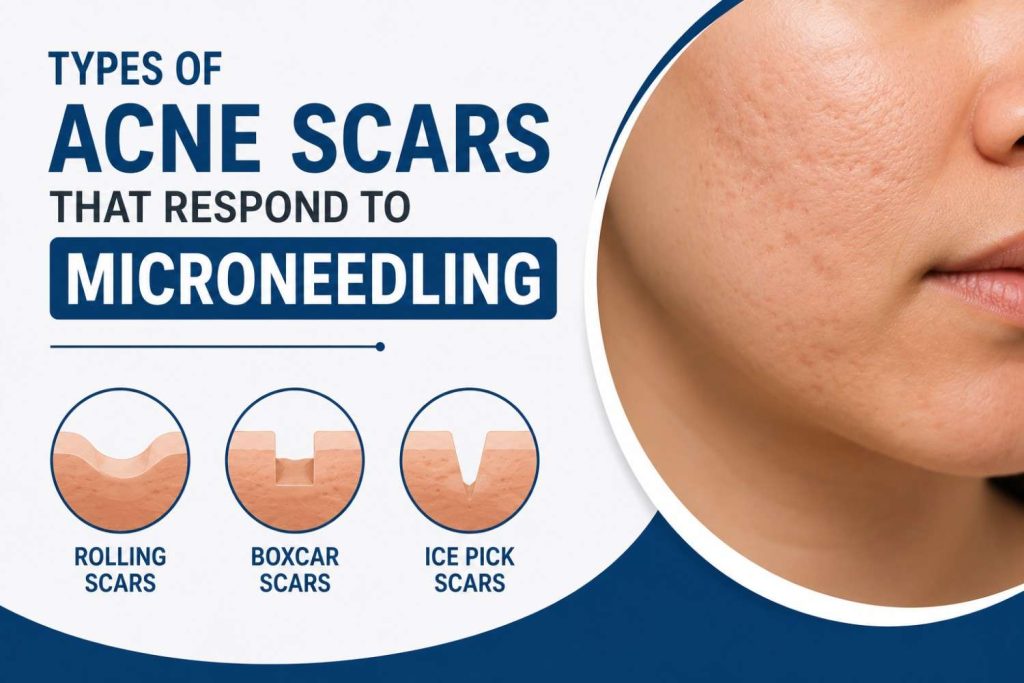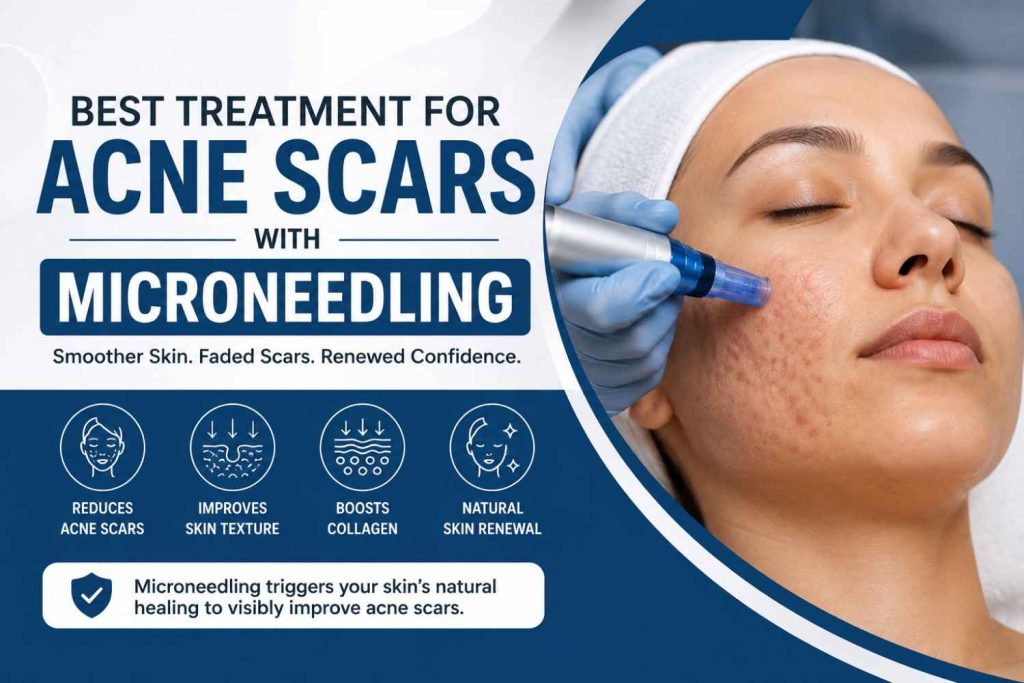

Pigmentation treatment in Pala is helpful for people who notice dark patches, uneven skin tone, acne marks, sun spots, melasma, or dull-looking skin. Pigmentation is not the same for everyone. Some marks stay on the surface, while others go deeper into the skin and need proper dermatology evaluation before choosing treatment.
At Vita Clinic, pigmentation care begins with understanding the reason behind the skin discoloration. The clinic follows an evidence-based and personalized approach, where the dermatologist checks skin type, pigmentation pattern, lifestyle factors, sun exposure, and previous product use before planning care.
Understanding Skin Pigmentation
Pigmentation means a change in skin color caused by melanin, the natural pigment that gives color to the skin. When melanin production increases in certain areas, the skin may appear darker than the surrounding skin.
This may appear as:
- Brown patches
- Black marks
- Uneven tone
- Spots after acne
- Sun-related dark patches
- Freckle-like spots
- Pigmented areas around the mouth
- Darkening after skin irritation
Pigmentation treatment in Pala should be planned only after identifying the type of pigmentation. Treating every dark spot in the same way may not give the expected result and may sometimes irritate sensitive skin.

Why Pigmentation Happens
Pigmentation can develop for many reasons. In some people, it appears slowly over time. In others, it may happen after acne, sun exposure, hormonal changes, or skin inflammation.
- Sun Exposure
- Acne Marks
- Melasma
- Skin Irritation
- Hormonal Changes
- Aging and Sun Damage
Signs You May Need Dermatology Evaluation
Not every dark spot needs advanced treatment. However, if pigmentation is spreading, recurring, or not improving with basic care, a dermatologist consultation can help.
You may consider pigmentation treatment in Pala if you notice:
- Dark patches on the cheeks or forehead
- Acne marks that are not fading
- Uneven skin tone
- Pigmentation around the mouth
- Sun spots or brown patches
- Dull skin with uneven complexion
- Pigmentation after using harsh products
- Marks that become darker after sunlight exposure
- Pigmentation that returns repeatedly
- Sensitive skin with dark patches
A dermatologist can check whether the pigmentation is superficial, deep, mixed, hormonal, sun-related, or post-inflammatory.
How Vita Clinic Approaches Pigmentation Care
At Vita Clinic, pigmentation care does not begin with a procedure immediately. The first step is proper evaluation. This helps the dermatologist understand the pattern, depth, cause, and sensitivity of the skin.
The consultation may include:
- Understanding when pigmentation started
- Checking whether it is spreading or stable
- Reviewing sun exposure and sunscreen habits
- Asking about acne, irritation, or previous treatments
- Checking skincare products currently used
- Evaluating skin type and sensitivity
- Identifying possible triggers
- Planning a suitable treatment approach
This step-by-step approach helps avoid unnecessary treatments and supports safer results.
What to Expect During the Treatment Journey
Pigmentation usually takes time to improve. Some marks may fade faster, while deeper pigmentation or melasma may need longer care and maintenance.
A realistic treatment journey may include:
- Initial evaluation
- Starting sunscreen and basic skin repair
- Medical creams or serums if needed
- Procedure planning if suitable
- Regular follow-up
- Maintenance skincare
- Avoiding triggers
- Monitoring recurrence
Patients should understand that pigmentation treatment is not usually a one-day solution. Consistency, sun protection, and follow-up care play an important role.
Mistakes That Can Make Pigmentation Worse
Many people unknowingly worsen pigmentation while trying to treat it at home.
Common mistakes include:
- Using harsh scrubs
- Applying lemon, baking soda, or strong home remedies
- Using steroid creams without prescription
- Skipping sunscreen
- Picking acne
- Trying too many active ingredients together
- Changing products too often
- Using fairness creams without knowing ingredients
- Taking treatment from non-medical sources
- Stopping treatment too early
For pigmentation-prone skin, gentle and consistent care is safer than aggressive product use.
Why Dermatologist-Guided Pigmentation Care Matters
Pigmentation can be difficult to manage without proper diagnosis. Some patches may look similar but need different treatment methods. For example, melasma, acne marks, freckles, and sun spots are not treated in exactly the same way.
Dermatologist-guided care helps in:
- Identifying the type of pigmentation
- Avoiding unsuitable treatments
- Choosing safe products
- Planning procedures carefully
- Reducing irritation risk
- Managing recurrence
- Creating a maintenance plan
- Supporting healthier skin tone
At Vita Clinic, treatment recommendations are based on the patient’s actual skin condition, not general assumptions.
About Vita Clinic
Vita Clinic is a modern dermatology and aesthetic center offering skin, hair, laser, aesthetic, and anti-aging care. The clinic follows a personalized and evidence-based approach for every patient.
Services include:
- General dermatology
- Procedural dermatology
- Hair associated services
- Laser treatment
- Aesthetic procedures
- Anti-aging treatments
The clinic is led by Dr. Sherin Dominic, Consultant Dermatologist and Aesthetic Physician. Her clinical dermatology background, aesthetic training, and patient-first approach help patients receive care that is suitable for their skin concerns and long-term skin health.

Conclusion
Pigmentation treatment in Pala is useful for people dealing with dark spots, melasma, acne marks, sun damage, uneven tone, or recurring skin discoloration. Since pigmentation can have different causes, proper diagnosis is the first step before choosing any cream, peel, laser, or procedure.
For additional information about managing hyperpigmentation and maintaining healthy skin, explore the resources available from the American Academy of Dermatology Association.
FREQUENTLY ASKED QUESTIONS
Pigmentation treatment in Pala focuses on evaluating and managing dark spots, melasma, acne marks, sun spots, and uneven skin tone through dermatologist-guided care.
Pigmentation may be caused by sun exposure, acne, hormones, melasma, skin irritation, aging, genetics, or improper skincare product use.
Yes. Acne marks can often be treated with medical skincare, peels, laser-based options, or other procedures depending on the type of mark and skin condition.
Melasma is one type of pigmentation. It often appears as brown or gray-brown patches and may need long-term care and sun protection.
Yes. Sunscreen is very important because sun exposure can worsen pigmentation and reduce the effectiveness of treatment.
Chemical peels may help selected pigmentation concerns, acne marks, dullness, and uneven tone when chosen properly by a dermatologist.
Laser treatment may help selected pigmentation concerns, but suitability depends on skin type, pigmentation depth, and dermatologist evaluation.
The time varies depending on the type, depth, cause, and skin response. Some pigmentation improves gradually and may need maintenance care.
Yes. Some types, especially melasma, may return if triggers such as sunlight, hormones, or irritation are not controlled.
Home remedies may irritate the skin and sometimes worsen pigmentation. Dermatologist-guided care is safer for persistent dark patches.