Before and After - Hair Fall Treatment
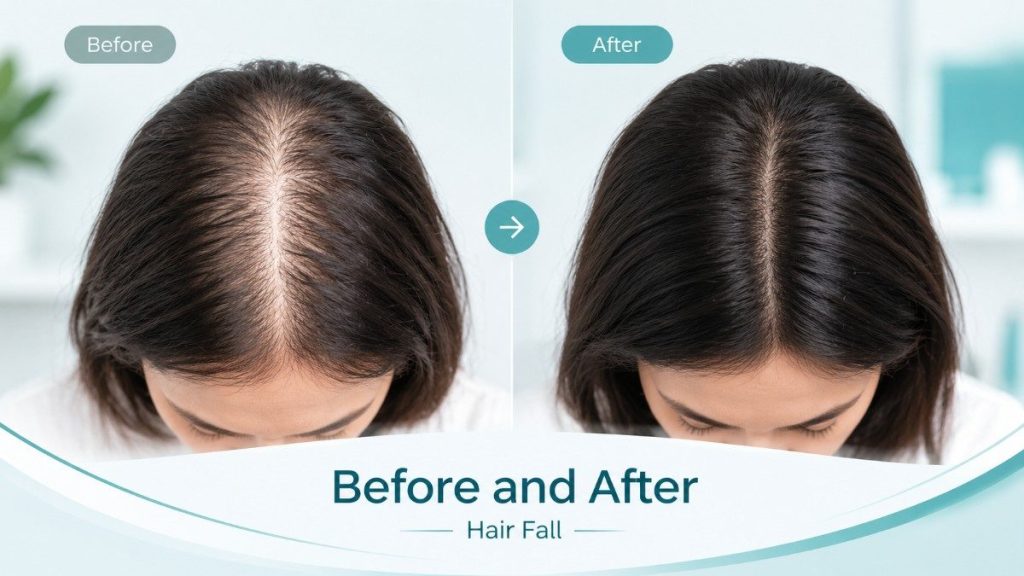
When people look at Before and After hair treatment results, they usually want to know one thing: what kind of change can they realistically expect? Hair fall treatment is not the same for everyone. The result depends on the cause of hair loss, how long the problem has been present, the treatment used, and how the hair responds over time.
A photograph can make changes easier to see, especially when hair thinning happens slowly. However, a single picture does not tell the complete story. Hair shedding, scalp visibility, hair density, and the condition of the hair should all be considered when looking at treatment progress.
What Do Hair Fall Treatment Results Usually Show?
Hair fall treatment results can show changes in the amount of shedding, hair density, scalp visibility, or the appearance of thinning areas. Some people may first notice that less hair is falling during washing or combing. Visible improvement in thickness may take longer because hair grows gradually.
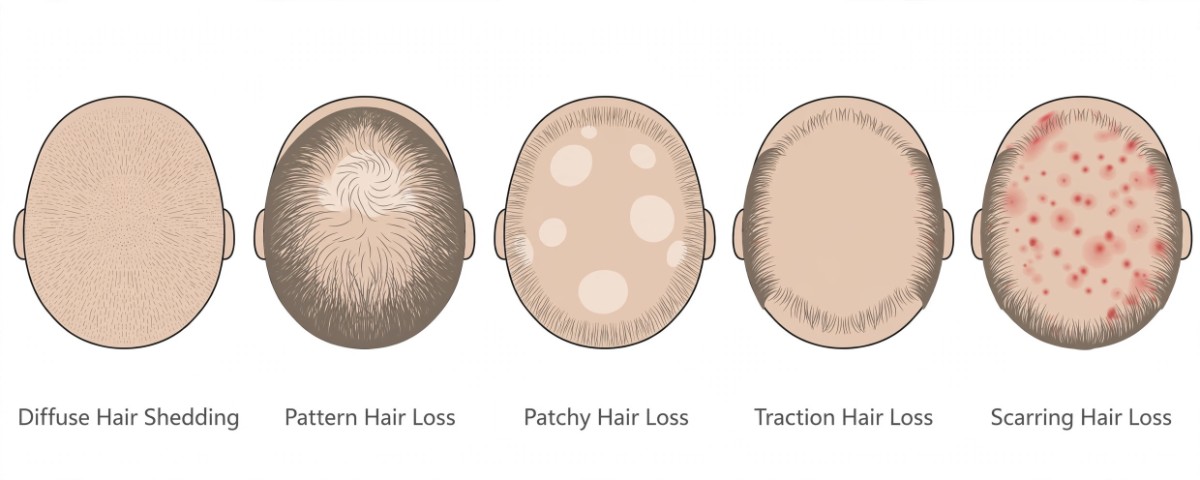
The change may also depend on where the thinning is occurring. A person with diffuse thinning may notice a difference in overall scalp coverage, while someone with thinning around the hairline may notice changes mainly in that area. This is why treatment progress should be looked at over time rather than judged from a quick comparison.
Why Does Hair Fall Treatment Take Time?
Hair does not grow continuously at the same speed. Each hair passes through different stages of growth and shedding. Because of this natural cycle, treatment cannot usually produce an immediate visible change. The first sign of improvement may be a reduction in excessive shedding. New hair growth and increased coverage can take longer to become noticeable.
The time needed also depends on the reason for the hair loss. Temporary shedding related to an illness, stress, nutritional problem, or another trigger may behave differently from long-term hereditary hair thinning. For this reason, expecting a fixed result within a specific number of weeks is not realistic.
What Changes Should You Look For ?
When comparing photographs, look at the same areas of the scalp under similar conditions.
Useful things to compare include:
- Width of the hair part
- Amount of visible scalp
- Hair density in thinning areas
- Hairline appearance
- Coverage around the crown
- Overall thickness of the hair
It is important not to judge the result only by how shiny or thick the hair looks in a photograph. Hair styling, lighting, hair length, and even the position of the head can change how dense the hair appears.
A reliable comparison should therefore use photographs taken in similar conditions.
How Should Hair Progress Photos Be Taken?
Consistent photographs make it easier to notice gradual changes.
Try to keep the following factors the same each time:
Camera angle: Take the photograph from the same position.
Lighting: Use similar lighting so that scalp visibility can be compared fairly.
Hair position: Keep the hair parted or positioned in the same way.
Hair length: Large differences in hair length can change the appearance of density.
Distance: Keep the camera at a similar distance from the scalp.
Taking photographs at regular intervals can provide a useful record of progress. It can also prevent people from relying only on memory when deciding whether their hair has changed.
Can Hair Look Better Without New Hair Growth?
Yes. Hair can sometimes appear fuller even when there has not been a major increase in the number of hairs. Hair length, styling, washing, lighting, and the way the hair is parted can all affect its appearance. A change in these factors can make the scalp look less visible without representing actual new growth.
This is one reason photographs need to be taken under similar conditions. A genuine assessment of hair loss should consider more than appearance in one photograph. Changes in shedding and the pattern of thinning are also important.
Does the Cause of Hair Loss Affect the Result?
Yes. The cause of hair loss has a major influence on treatment and the expected response. Hair shedding can occur because of several factors, including temporary physical or emotional stress, nutritional problems, hormonal changes, scalp conditions, certain medicines, and hereditary patterns of hair loss. These conditions do not all behave in the same way.
For some people, addressing an underlying trigger may help reduce excessive shedding. Other types of hair loss may require longer-term management. This is why a treatment that helped one person should not automatically be expected to produce the same result for another person.
Can Hereditary Hair Loss Improve With Treatment?
Hereditary hair loss can be a long-term condition, and treatment aims can vary depending on how early it is recognised and how much thinning has occurred. The goal may include slowing further loss, maintaining existing hair, or improving hair density where appropriate.
The response is not identical for everyone. Age, pattern of hair loss, duration of thinning, and individual response can all influence the outcome. Because hereditary hair loss can progress gradually, monitoring changes over time can be useful.
What If Hair Fall Started After an Illness or Stress?
Some people experience increased shedding after a period of physical or emotional stress, illness, significant weight change, or another event that affects the body. In these situations, the hair may enter a shedding phase and the increased fall may become noticeable later.
The hair cycle can take time to return to its normal pattern. Simply looking at the amount of hair falling on one particular day may not provide enough information. If shedding continues or the hair becomes visibly thinner, it is worth discussing the problem with a dermatologist rather than assuming that it will always settle on its own.
Can Hair Fall Treatment Results Be Guaranteed?
No. Hair treatment results cannot be guaranteed because the response varies between individuals. The cause of hair loss, severity, duration, general health, treatment plan, and consistency can all affect the outcome. Photographs showing improvement should therefore not be treated as a promise of what another person will experience.
A realistic approach is to identify the cause, follow the recommended plan, monitor changes, and review progress over time. This is especially important with treatments that require several months before their effect can be properly assessed.
Why Is Early Attention Important for Hair Loss?
Noticing hair loss early gives you an opportunity to understand what is causing it before the problem becomes more advanced. A widening part, increasing scalp visibility, a receding hairline, or persistent shedding can all be signs that something has changed.
Hair fall does not always mean permanent hair loss. But persistent changes should not be ignored simply because there is no pain or other obvious symptom. Getting the cause assessed can help distinguish temporary shedding from conditions that may require ongoing management.
How Is Hair Fall Progress Monitored at Vita Clinic?
At Vita Clinic, hair concerns can be assessed according to the pattern of hair loss and the changes affecting the scalp and hair. Progress can be monitored by looking at changes in shedding, thinning areas, scalp visibility, and overall hair appearance over time. Photographs can be useful during this process when they are taken consistently.
They provide a visual record that can be compared with earlier photographs instead of relying entirely on memory. The appropriate treatment and follow-up depend on the individual’s hair loss and its underlying cause. This is why someone else’s treatment result should not be used as a direct prediction of your own outcome.
What Is the Right Way to Compare Hair Fall Results?
The most useful comparison is between your own photographs taken at different stages under similar conditions. Look at the same areas of the scalp and consider changes in hair density, scalp visibility, hairline appearance, and shedding.
Give the hair enough time to respond before judging the result. It is also important to remember that improvement does not always mean suddenly having very thick hair. In some cases, progress may mean less shedding or maintaining existing hair rather than dramatic regrowth.
Final Takeaway
Hair fall treatment is a gradual process, and results can differ from one person to another. Before and After photographs can help show visible changes, but they should be considered alongside the cause of hair loss, treatment duration, and changes in shedding.
If you are noticing ongoing hair fall or thinning, understanding the cause is more useful than comparing your hair with someone else’s result. Tracking your own progress consistently can give a clearer picture of how your hair is changing over time.
Frequently Asked Questions
Hair fall treatment usually takes time because hair grows in cycles. Reduced shedding may be noticed before visible changes in hair density or new growth. The time needed varies depending on the cause of hair loss and the individual response to treatment.
Compare the same areas of the scalp under similar lighting, camera angle, hair length, and styling conditions. Look at scalp visibility, hair part width, thinning areas, hairline, and overall hair density rather than relying on one photograph.
Yes. Hair length, styling, washing, lighting, and the way the hair is parted can change how full it appears. This is why progress is better assessed using consistent photographs along with changes in shedding and thinning.
Yes. Hair loss can have different causes, including hereditary patterns, stress, illness, nutritional factors, hormonal changes, medicines, and scalp conditions. Treatment and expected progress depend on the underlying cause and the person's individual response.
No. Hair fall treatment does not produce the same result for everyone. The cause, severity, duration of hair loss, treatment plan, consistency, and individual response can all influence the outcome.
Consistent photos make it easier to notice gradual changes that may not be obvious from day to day. Taking pictures from the same angle, distance, lighting, and hair position provides a more useful record of progress.
Hair shedding can increase after physical or emotional stress, illness, major weight changes, or other events. In some cases, shedding may occur after a delay because of the hair growth cycle. Persistent or worsening hair loss should be assessed by a dermatologist.
Consider a dermatology assessment when hair shedding continues, thinning becomes noticeable, the hair part is widening, the hairline is receding, or scalp visibility is increasing. Finding the cause can help guide appropriate management.
Hereditary hair loss can often be managed, but the response varies between individuals. Depending on the situation, treatment may aim to slow further hair loss, maintain existing hair, or improve density. Results depend on factors such as the pattern and duration of hair loss.
Progress can be monitored by looking at changes in hair shedding, thinning areas, scalp visibility, hair density, and the overall condition of the hair. Consistent photographs can support this assessment, but they should be considered along with the cause of hair loss and the treatment timeline.