Can Hair Fall Be Prevented?
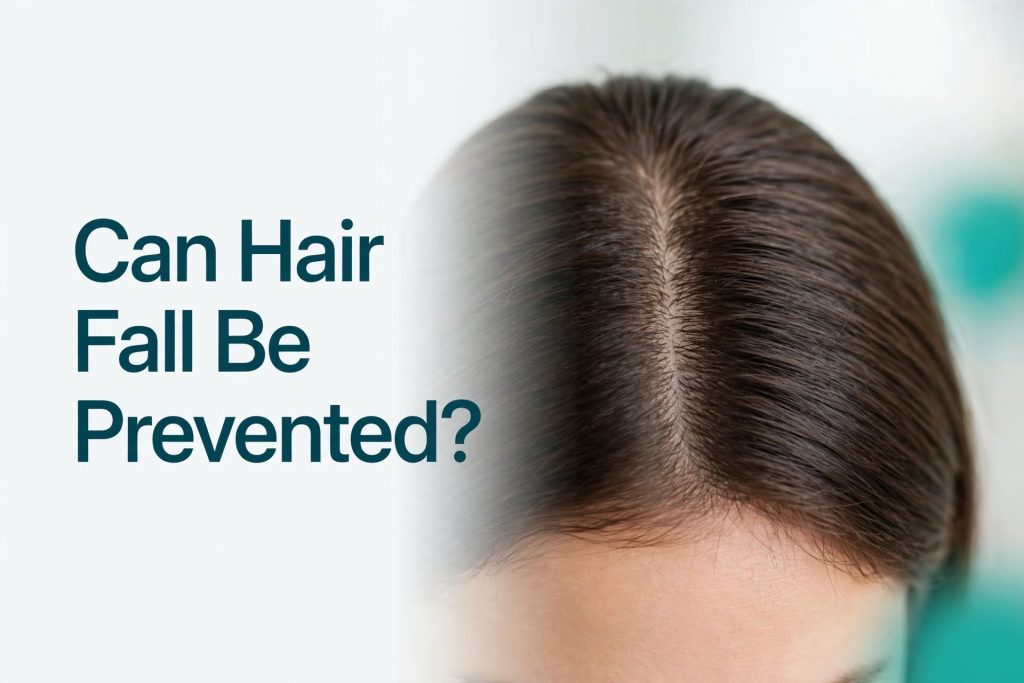
Can Hair Fall Be Prevented? In some cases, hair fall can be reduced or managed by identifying the cause and making appropriate changes. Good nutrition, gentle hair care, avoiding repeated damage, managing stress, and treating scalp problems can all support healthier hair. However, not every type of hair loss can be prevented completely.
Some daily hair shedding is normal. Hair naturally moves through different stages of growth, rest, and shedding, so losing a certain amount of hair does not always mean there is a problem. The concern usually begins when shedding becomes noticeably heavier, the hair starts looking thinner, the hairline changes, or bald patches appear.
Instead of focusing only on the number of hairs lost each day, it is more useful to look at changes in the overall density and appearance of the hair. Understanding what is causing the change can also make it easier to choose the right approach.
Can Hair Fall Be Prevented Completely?
Hair fall cannot always be prevented completely because there are many different causes of hair loss. Some types of hair shedding are temporary. A person may notice increased shedding after an illness, a period of significant stress, changes in diet, weight loss, or other physical changes. Once the trigger is addressed and the body recovers, the hair-growth cycle may gradually return to its usual pattern.
Other forms of hair loss can be more persistent. Genetic hair loss, hormonal changes, certain medical conditions, and some forms of alopecia may continue over time. These conditions may not be completely preventable, but recognising them early can help with appropriate management. This is why preventing hair fall is not simply about finding the right shampoo, oil, or supplement. The first step is understanding what is affecting the hair.
What Causes Hair Fall?
Hair fall can happen for many different reasons, and sometimes several factors are involved at the same time.
Common causes include:
Genetic or hereditary hair loss
Physical or emotional stress
Hormonal changes
Nutritional deficiencies
Recent illness or high fever
Certain medications
Scalp conditions
Tight hairstyles
Frequent chemical treatments
Excessive heat styling
Some autoimmune conditions
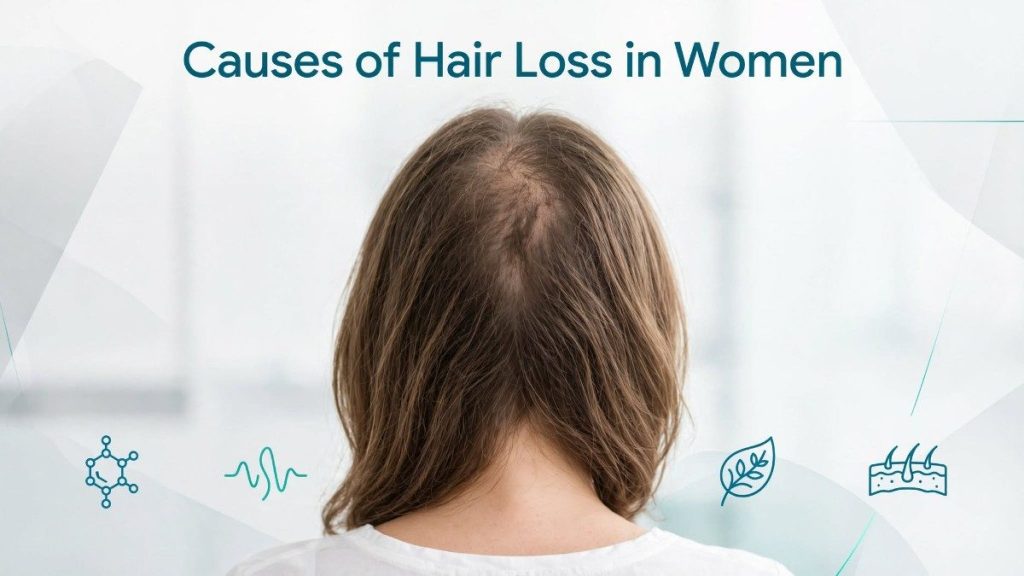
The pattern of hair loss can also offer useful clues. Diffuse shedding across the scalp is different from a receding hairline, thinning around the crown, or clearly defined bald patches.
For some people, the problem may mainly involve excessive shedding. For others, the hair may gradually become finer and less dense. A scalp condition may also cause itching, scaling, inflammation, or discomfort along with hair changes.
How Can Hair Fall Be Reduced?
There is no single method that works for every type of hair loss. However, several everyday habits can help reduce avoidable hair damage and support normal hair health.
Eat a Balanced Diet
Hair needs adequate nutrients to grow normally. A balanced diet containing sufficient protein, vitamins, minerals, and other essential nutrients supports the body’s normal functions, including the hair-growth cycle. Very restrictive diets or poor nutritional intake may affect hair health in some people. Sudden weight loss can also place physical stress on the body and may be followed by increased hair shedding.
This does not mean that eating one particular food will stop hair fall. Hair health depends on overall nutrition rather than a single ingredient. If a nutritional deficiency is suspected, it is better to identify the problem before taking supplements. Different deficiencies require different approaches, and unnecessary supplementation may not provide any benefit.
Avoid Excessive Heat Styling
Regular use of straighteners, curling irons, blow dryers at very high temperatures, and other heat-based styling methods can weaken the hair shaft. Damaged hair may become dry, rough, brittle, and more likely to break. Hair breakage can sometimes be mistaken for hair loss because more strands may be noticed during washing or brushing.
Using lower heat, limiting frequent styling, and handling wet hair gently can help reduce unnecessary damage. It is also useful to avoid repeatedly applying heat to the same section of hair. Giving the hair periods without heat-based styling can help maintain its strength and appearance.
Be Careful With Chemical Treatments
Frequent bleaching, colouring, relaxing, straightening, and other chemical treatments can affect the strength and condition of the hair. Occasional treatment does not automatically mean that a person will develop hair loss. The concern is repeated or excessive processing, especially when the hair is already weak or damaged.
Chemical damage mainly affects the hair shaft, so it can lead to dryness and breakage rather than hair loss from the follicle. However, repeated damage can make the hair appear much thinner. Giving the hair enough time between treatments and following suitable aftercare can help protect the existing hair.
Avoid Tight Hairstyles
Repeated tension on the hair can also contribute to hair loss. Very tight ponytails, buns, braids, extensions, or other styles that continuously pull on the roots can place stress on the hair follicles. Over time, this may contribute to traction alopecia.
Changing hairstyles regularly and avoiding excessive pulling can reduce unnecessary tension. If a hairstyle causes pain or a feeling of tightness on the scalp, it is a good indication that the hair is being pulled too much.
Can Stress Cause Hair Fall?
Yes, significant physical or emotional stress can contribute to increased hair shedding in some people. Stress can affect the normal hair-growth cycle. Interestingly, increased shedding may not always happen immediately after a stressful event. Some people notice more hair fall weeks or months after the trigger. Stress can come from many sources, including major life changes, prolonged work pressure, illness, lack of sleep, or significant changes in routine.
Reducing stress where possible, getting adequate sleep, eating regularly, and maintaining healthy daily habits can support overall wellbeing. However, persistent hair fall should not automatically be blamed on stress. If shedding continues or becomes progressively worse, another cause may need to be considered. Looking only at stress may cause other possible factors to be overlooked.
Can Nutritional Deficiencies Cause Hair Fall?
Yes. Certain nutritional deficiencies can contribute to hair shedding or thinning. Poor dietary intake, restrictive eating patterns, or some health conditions may affect the availability of nutrients needed for normal hair growth. The specific deficiency matters, so taking several supplements without knowing the cause is not always useful.
Hair supplements are also not a universal solution. If a deficiency is suspected, appropriate testing and medical advice can help determine whether supplementation is actually needed. A balanced diet remains an important part of maintaining healthy hair, but nutrition alone cannot prevent genetic or every other form of hair loss.
Can Hair Supplements Prevent Hair Fall?
Hair supplements do not automatically prevent hair loss. Supplements can be useful when a person has a confirmed nutritional deficiency or another reason to take them. But taking large amounts of vitamins or minerals without a demonstrated need does not necessarily make hair grow faster or thicker.
In some situations, excessive intake of certain nutrients can cause problems. It is therefore better to understand whether a deficiency exists before starting supplements specifically for hair fall. A healthy diet, adequate hydration, regular sleep, and appropriate medical care provide a more sensible foundation for hair health than relying on multiple supplements.
Can Genetic Hair Loss Be Prevented?
Genetic hair loss cannot always be completely prevented. Hereditary hair loss is influenced by genetics and hormonal factors. It can gradually affect areas such as the hairline, temples, or crown, depending on the individual. Because the changes may happen slowly, they can be easy to overlook in the beginning. A person may first notice that the hair looks less dense, the part appears wider, or the hairline has changed slightly.
Early recognition is useful because progressive hair loss may be easier to manage when addressed before substantial thinning occurs. Vita Clinic’s hair-related information also discusses early changes associated with hereditary hair loss and the importance of recognising progressive thinning. Not every person with a family history of hair loss will experience the same degree or pattern of thinning. Genetics, age, hormones, and other factors can influence how the condition develops.
Can Hair Fall After an Illness Be Prevented?
Hair shedding can sometimes increase after an illness, particularly when the body has experienced significant physical stress. High fever, major illness, changes in nutrition, or other physical stressors can affect the hair-growth cycle. In some cases, increased shedding becomes noticeable after the illness rather than during it.
This type of shedding may improve as the body recovers, although the exact course varies between individuals. If heavy shedding continues for a long time, it is worth considering whether another factor is contributing to the problem. Persistent hair loss should not always be assumed to be a temporary effect of a previous illness.
How Does Scalp Health Affect Hair Fall?
The condition of the scalp can influence the overall health of the hair. Persistent itching, scaling, redness, burning, tenderness, or inflammation should not simply be ignored. Some scalp conditions can affect the hair or contribute to increased shedding and breakage.
Keeping the scalp clean and avoiding unnecessary irritation can support scalp health. However, persistent symptoms may require professional attention rather than repeated changes to shampoo or hair products. A healthy scalp is only one part of the picture. Genetic, hormonal, nutritional, and other internal factors can also contribute to hair loss.
When Should You See a Dermatologist for Hair Fall?
Not every loose hair is a reason to see a dermatologist. However, professional advice can be useful when the change is sudden, persistent, progressive, or unusual.
Consider seeking medical attention if you notice:
Sudden or unusually heavy shedding
Progressive thinning
A widening hair part
A receding hairline
Thinning around the crown
Clearly visible bald patches
Loss of eyebrows or eyelashes
Persistent scalp itching or scaling
Redness, pain, burning, or tenderness of the scalp
Hair loss after a significant illness
Hair fall that continues to get worse
The pattern of hair loss can help distinguish between different conditions. A dermatologist may also consider medical history, recent changes, medications, nutrition, family history, and scalp symptoms when looking for possible causes.
Seeking help early does not necessarily mean that treatment will be required. It can simply provide a clearer understanding of what is happening and whether the hair loss is temporary or progressive.
What Can You Do When You First Notice Hair Fall?
If you suddenly notice more hair falling than usual, avoid making several major changes at once. Start by paying attention to when the shedding began and whether anything changed beforehand. Think about recent illness, stress, diet, weight changes, medication, hormonal changes, new hair treatments, or changes in hairstyle.
It can also help to avoid unnecessary heat and chemical treatments while the cause is being considered. Do not assume that every case of hair fall needs the same treatment. What helps one person may not be appropriate for another. If the shedding persists, becomes more noticeable, or is accompanied by thinning or scalp symptoms, getting professional advice can help identify the next step.
How Is Hair Fall Managed at Vita Clinic?
Hair fall can look similar on the surface even when the underlying reasons are very different. At Vita Clinic, hair-related concerns are considered in relation to the pattern of loss, scalp changes, and possible contributing factors. The clinic provides hair-related services for concerns including hair fall and hair disorders. These services form part of its wider dermatology and aesthetic care.
Vita Clinic is headed by Dr. Sherin Dominic, Consultant Dermatologist and Aesthetic Medicine Specialist, and provides care across areas including skin, hair, laser, aesthetic, and anti-aging concerns. For someone experiencing persistent hair fall, understanding the type and possible cause of the problem is an important step. Once the cause is clearer, suitable management options can be considered according to the individual’s situation.
What Is the Best Way to Prevent Hair Fall?
There is no single routine that guarantees protection from every type of hair loss. However, several practical habits can reduce avoidable damage and support healthy hair. Eat a balanced diet, avoid unnecessary crash diets, handle the hair gently, limit excessive heat and chemical treatments, and avoid hairstyles that repeatedly pull on the roots. Pay attention to scalp symptoms and do not ignore persistent or progressive changes in hair density.
It is equally important to avoid self-treating every type of hair fall in the same way. Hair loss caused by genetics may require a different approach from shedding related to illness, nutrition, stress, or a scalp condition. So, can hair fall be prevented? Sometimes it can be reduced, particularly when avoidable factors are involved. When hair loss has a medical, hormonal, or genetic cause, prevention may not always be possible, but recognising the problem early can help with appropriate management.