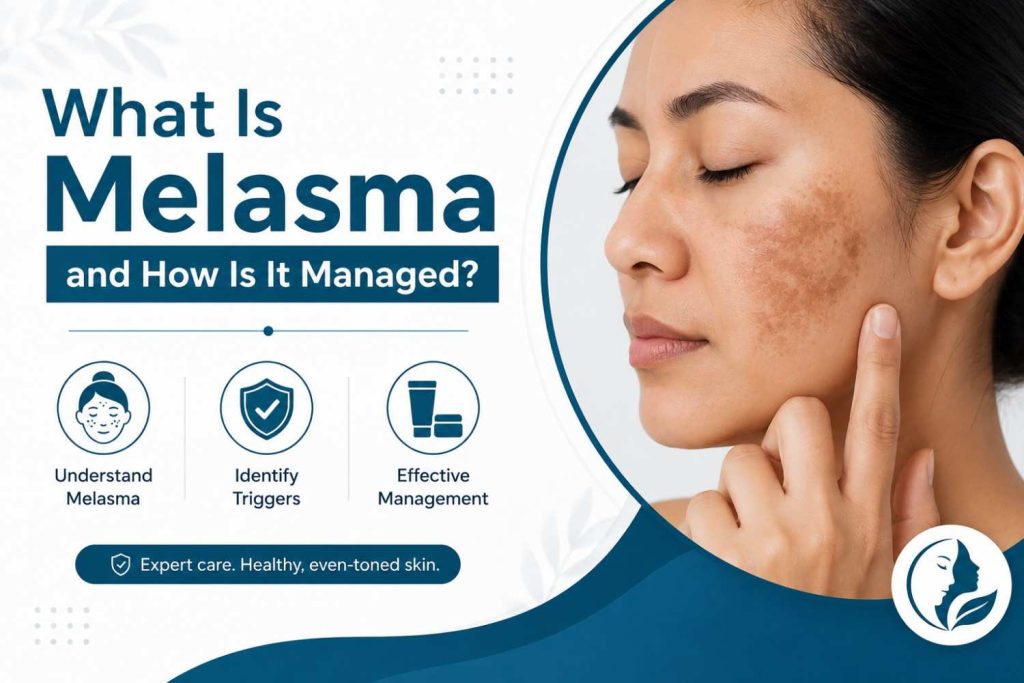
What Is Melasma and How Is It Managed? This is a common question for people who notice brown, grey-brown, or patchy discoloration on the face. In Pala, many individuals experience pigmentation concerns due to sun exposure, hormonal changes, skin sensitivity, or post-inflammatory marks. Melasma is not usually harmful, but it can affect confidence and may need long-term care. The good news is that with proper diagnosis, sun protection, medical skincare, and professional guidance, melasma can be managed safely and effectively.
What Is Melasma and How Is It Managed?
Melasma is a common pigmentation condition where darker patches appear on the skin, most often on the face. These patches usually develop on the cheeks, forehead, nose bridge, chin, and upper lip. Melasma happens when melanocytes, the pigment-producing cells in the skin, become overactive and produce excess melanin.
What Is Melasma and How Is It Managed? In simple words, melasma is managed by identifying the trigger, reducing excess pigment, protecting the skin from sunlight, and following a consistent treatment plan. It is not a one-day skin problem. It usually needs patience, maintenance, and careful skincare.
Dermatology sources describe melasma as a persistent pigmentation disorder that often needs long-term management and sun protection to reduce recurrence
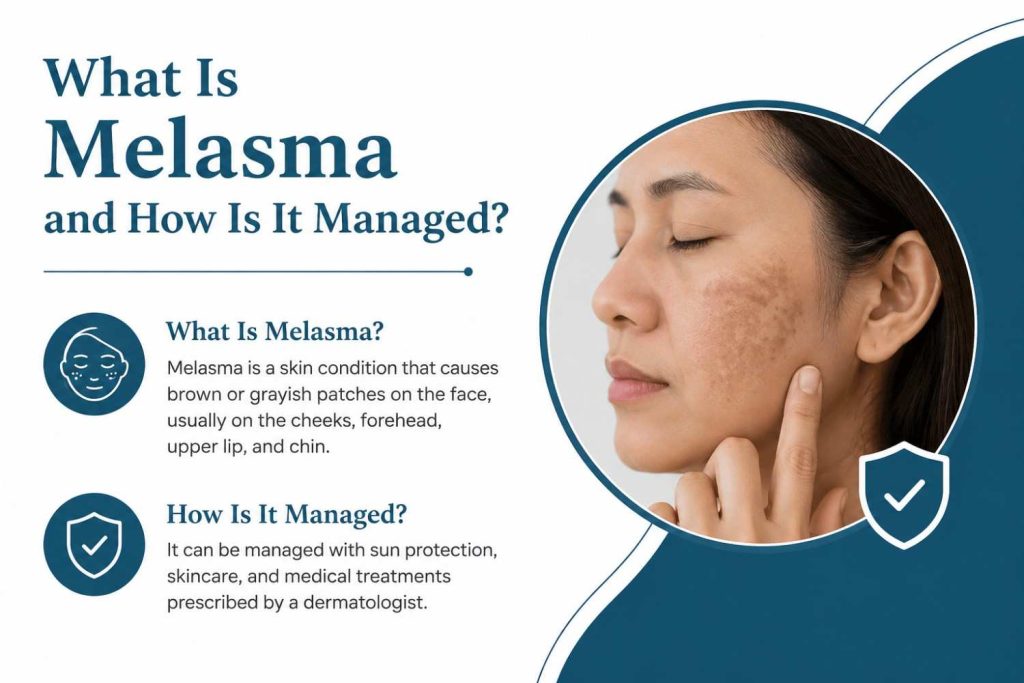
Understanding How Melasma Develops
Melasma is closely linked to melanin activity. Melanin gives colour to the skin and protects it from ultraviolet damage. When melanin production becomes uneven, dark patches may form.
Unlike simple tanning, melasma can remain for months or even years if the trigger continues. It may become darker after sun exposure, heat exposure, hormonal changes, or the use of unsuitable skincare products.
Melasma is commonly seen in adults and is more frequent in women, especially during pregnancy or while using hormonal medicines. However, men can also develop melasma.
Common Causes of Melasma
Understanding the cause is important before starting treatment. The same cream or procedure may not work for every person because melasma can have different triggers.
Sun Exposure
Sunlight is one of the strongest triggers for melasma. Ultraviolet rays and visible light can stimulate melanin production and make patches darker. Even short daily exposure without sunscreen may worsen the condition.
Hormonal Changes
Hormonal changes during pregnancy, oral contraceptive use, or hormone therapy can trigger melasma. This is why melasma is sometimes called the “mask of pregnancy.”
Genetics
Some people are naturally more prone to pigmentation because of family history. If close family members have melasma, the risk may be higher.
Heat and Visible Light
Heat from cooking, outdoor work, or prolonged screen and light exposure may contribute to worsening pigmentation in some people.
Skin Inflammation
Acne, harsh scrubbing, irritation, or allergic reactions can increase pigmentation. When the skin barrier is damaged, melasma may become harder to control.
Unsuitable Skincare Products
Strong bleaching creams, unverified fairness products, or steroid-mixed creams can irritate the skin and worsen pigmentation over time.
Types of Melasma
Melasma can affect different layers of the skin. Identifying the type helps in choosing the right treatment.
Epidermal Melasma
This type affects the upper layer of the skin. It often appears brown and may respond better to topical creams, peels, and skincare.
Dermal Melasma
This type affects deeper layers of the skin. It may look grey-brown or bluish-grey and can be more difficult to treat.
Mixed Melasma
This is the most common form, where pigmentation is present in both upper and deeper layers. It usually requires combination treatment and long-term maintenance.
Symptoms of Melasma
Melasma is usually painless, but it causes visible changes in skin colour. Common signs include:
- Brown or grey-brown patches on the face
- Symmetrical pigmentation on both cheeks
- Darkening on the forehead, upper lip, or nose
- Patches that worsen after sunlight exposure
- Uneven skin tone
- Pigmentation that returns after stopping care
Melasma does not usually cause itching, burning, or swelling. If pigmentation is painful, rapidly spreading, or associated with irritation, a skin specialist should evaluate it.
What Is Melasma and How Is It Managed? Diagnosis First
Before treatment, proper diagnosis is important. Many skin conditions can look like melasma, including freckles, sunspots, post-acne pigmentation, and certain inflammatory skin conditions.
A dermatologist may assess:
- Pattern of pigmentation
- Skin type
- Sun exposure history
- Hormonal history
- Pregnancy or medication history
- Previous skincare products used
- Past treatments and reactions
In some cases, special skin examination tools may be used to understand the depth of pigmentation. Diagnosis helps avoid unnecessary or unsuitable treatments.
Benefits of Managing Melasma Early
Early care can make melasma easier to control. Waiting too long may allow the pigment to become deeper or more stubborn.
Benefits of early melasma management include:
- Better control of dark patches
- Reduced risk of worsening pigmentation
- More even skin tone
- Improved skin confidence
- Better response to treatment
- Lower chance of irritation from wrong products
- Long-term skin health support
Melasma management is not only about lightening patches. It is also about protecting the skin barrier, reducing triggers, and preventing recurrence.
Treatment Options for Melasma
What Is Melasma and How Is It Managed? Treatment usually includes a combination of sun protection, topical medicines, procedures, and maintenance skincare.
1. Daily Sunscreen
Sunscreen is the foundation of melasma care. Broad-spectrum sunscreen helps protect the skin from UV rays. For melasma, tinted sunscreen with iron oxides may be useful because visible light can also worsen pigmentation.
Sunscreen should be applied every morning and reapplied when needed, especially during outdoor exposure.
2. Medical Skincare Creams
Dermatologists may recommend creams containing ingredients that reduce melanin production and improve skin renewal. These may include hydroquinone, azelaic acid, kojic acid, retinoids, vitamin C, niacinamide, or tranexamic acid.
Hydroquinone and triple-combination creams are commonly discussed in medical literature as effective options for melasma, but they should be used under professional guidance because irritation and misuse can worsen pigmentation.
3. Chemical Peels
Chemical peels help exfoliate the upper layer of skin and support pigment reduction. They may be useful for epidermal melasma and uneven skin tone.
Common peel options may include glycolic acid, salicylic acid, lactic acid, or other dermatologist-selected peels. Deep peels are usually avoided in darker skin types because they may increase the risk of scarring or further discoloration.
4. Laser and Light-Based Treatments
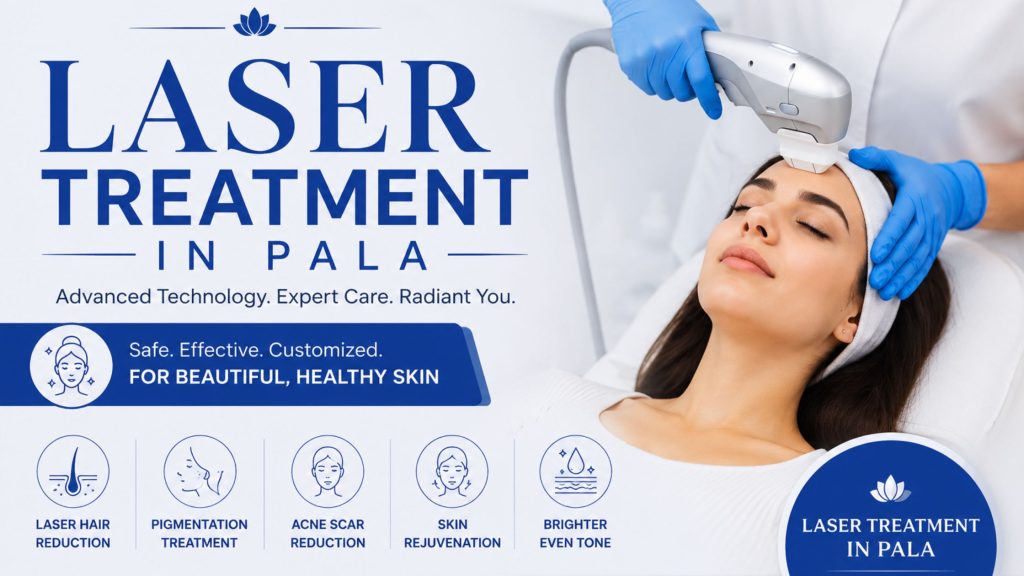
Laser treatments may be considered for selected cases, especially when melasma does not respond to creams and peels. However, lasers must be used carefully because heat and irritation can sometimes worsen melasma.
A dermatologist may choose low-energy laser settings or other suitable devices depending on skin type and pigmentation depth.
5. Microneedling
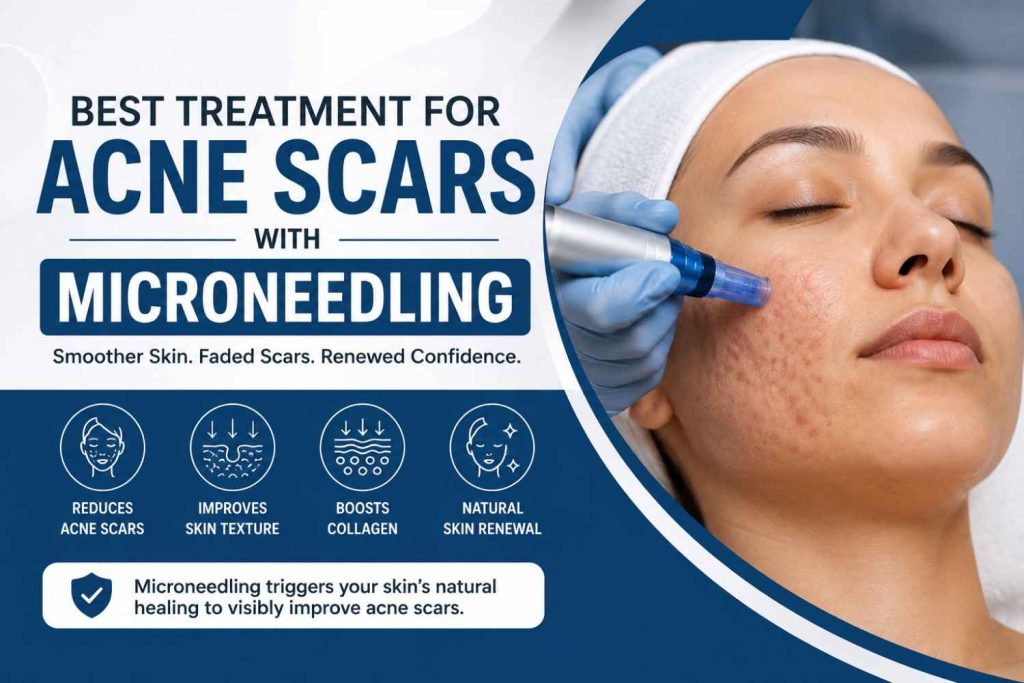
Microneedling may support skin renewal and improve texture. In some cases, it may be combined with topical agents for pigmentation care. It should be performed professionally to avoid irritation and post-inflammatory hyperpigmentation.
6. Tranexamic Acid
Tranexamic acid may be used in topical, oral, or procedural forms depending on the case. Oral tranexamic acid has shown benefit in studies, but it is not suitable for everyone and must be prescribed only after medical evaluation.
7. Maintenance Treatment
Melasma often returns if maintenance care is stopped. After visible improvement, dermatologists may suggest gentle skincare, sunscreen, non-hydroquinone creams, or occasional treatment sessions to maintain results.
How Long Does Melasma Take to Improve?
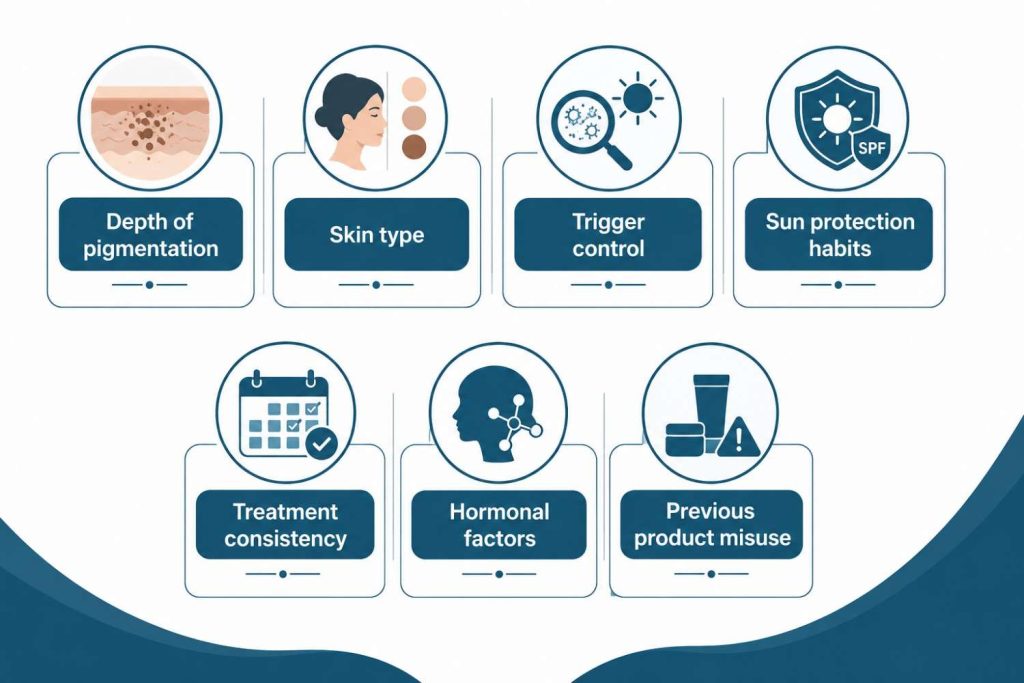
Melasma improvement takes time. Some people may notice visible changes within a few weeks, while others may need several months. The result depends on:
- Depth of pigmentation
- Skin type
- Trigger control
- Sun protection habits
- Treatment consistency
- Hormonal factors
- Previous product misuse
Even after improvement, melasma can return. That is why follow-up care and sunscreen are important.
What Is Melasma and How Is It Managed? Final Treatment Approach
A good melasma plan is usually personalized. It may include sunscreen, prescription creams, gentle skincare, peels, laser options, or maintenance treatment. The best method depends on skin type, melasma depth, sensitivity, and lifestyle triggers.
The aim is not only to fade existing patches but also to prevent new pigmentation. Consistency is the most important part of melasma management.
Conclusion
What Is Melasma and How Is It Managed? Melasma is a common pigmentation concern that appears as brown or grey-brown patches, mainly on the face. It is often triggered by sunlight, hormones, genetics, heat, and skin irritation. Although melasma can be stubborn, it can be controlled with the right combination of diagnosis, sunscreen, medical skincare, professional treatments, and maintenance.
The most important step is consistency. Daily sun protection, gentle skincare, and regular follow-up can help reduce dark patches and prevent recurrence. For individuals in Pala, professional skin evaluation can help identify the type of melasma and create a safe treatment plan for clearer, healthier-looking skin.
For additional information about managing hyperpigmentation and maintaining healthy skin, explore the resources available from the American Academy of Dermatology Association.