
Pigmentation Treatment Before and After: What Results Can You Expect?
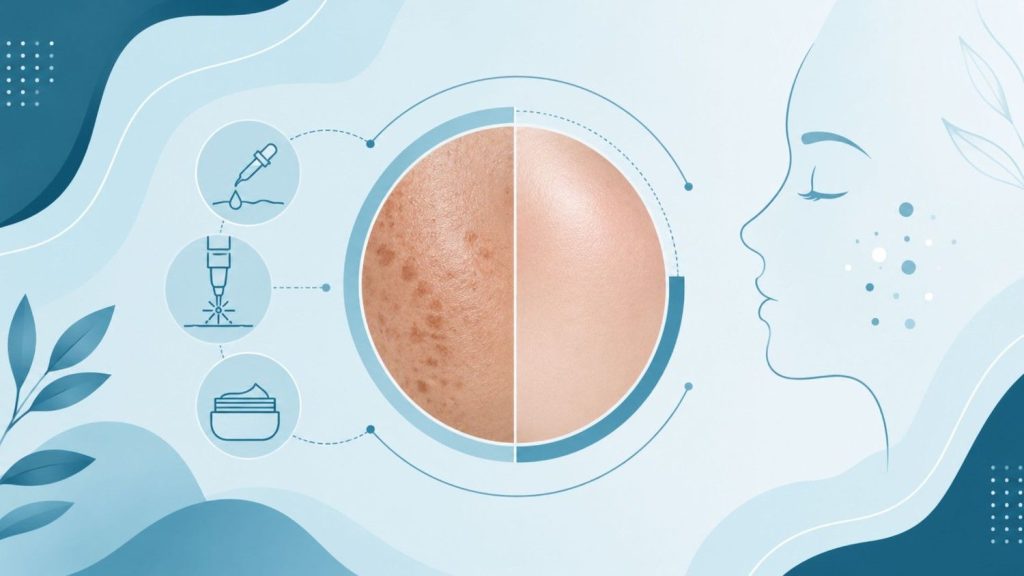
Many people considering professional skin care often wonder what kind of improvement they can expect from Pigmentation Treatment Before and After. While treatment outcomes vary depending on the type and severity of pigmentation, modern dermatology offers several effective options that can visibly improve skin tone, reduce dark spots, and restore a healthier complexion over time.
Understanding realistic expectations before beginning treatment is important. Pigmentation usually develops gradually, and noticeable improvement often requires a personalized treatment plan, consistent aftercare, and protection from sun exposure. Reviewing Pigmentation Treatment Before and After expectations helps patients understand the treatment journey and the factors that influence long-term results.
What Does Pigmentation Treatment Before and After Show?
Before and after results demonstrate how professional pigmentation treatments may gradually improve skin appearance.
Treatment aims to:
- Reduce visible dark spots
- Improve uneven skin tone
- Fade post-inflammatory pigmentation
- Minimize melasma appearance
- Brighten dull-looking skin
- Enhance overall skin texture
Every patient’s results depend on their skin type, pigmentation cause, and treatment approach.
Common Pigmentation Concerns That Show Improvement
Several pigmentation conditions may respond well to professional treatment.
Melasma
Treatment may gradually reduce the appearance of brown or gray facial patches.
Sunspots
Pigmentation caused by long-term UV exposure often becomes lighter with appropriate treatment.
Post-Acne Pigmentation
Dark marks left behind after acne may gradually fade through professional skin treatments.
Age Spots
Age-related pigmentation may become less noticeable after targeted procedures.
Uneven Skin Tone
Professional treatments can help improve overall skin clarity and create a more balanced complexion.
What Influences Before and After Results?
Several factors affect the outcome of Pigmentation Treatment Before and After.
Type of Pigmentation
Different pigmentation conditions respond differently to treatment.
Skin Type
Treatment selection is personalized according to individual skin characteristics.
Severity of Pigmentation
Deeper pigmentation may require multiple treatment sessions.
Sun Protection
Daily sunscreen use plays a significant role in maintaining results.
Treatment Consistency
Following the recommended treatment schedule helps achieve better long-term improvement.
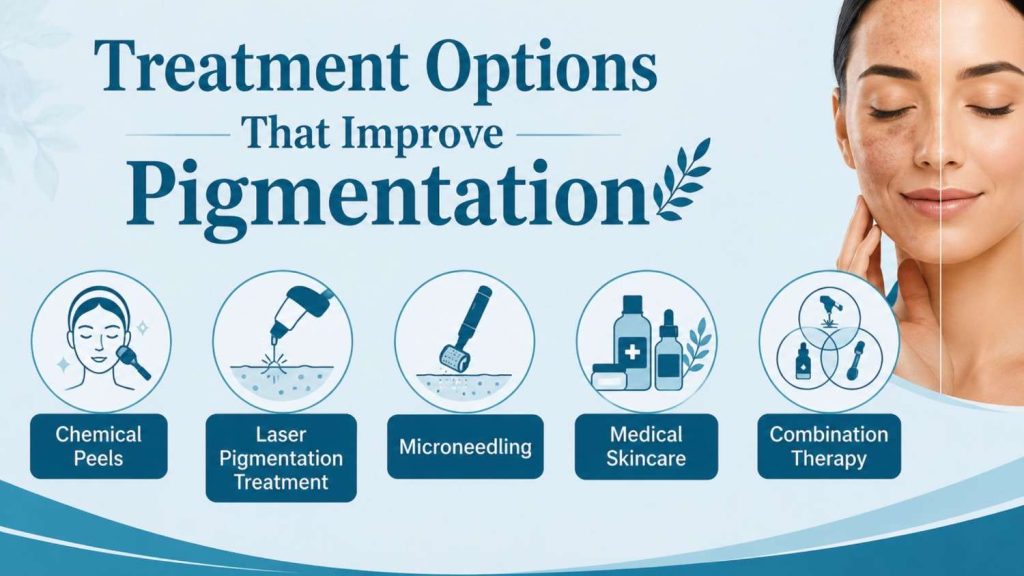
What to Expect During the Treatment Journey
Understanding the treatment process helps patients set realistic expectations.
Initial Consultation
A dermatologist performs a detailed skin evaluation to determine the cause of pigmentation.
Personalized Treatment Plan
The most appropriate treatment approach is selected based on the diagnosis.
Treatment Sessions
The number of sessions varies according to the type and depth of pigmentation.
Follow-Up Care
Progress is monitored and the treatment plan may be adjusted as the skin improves.
How Long Does It Take to See Results?
Every patient’s skin responds differently.
Generally, improvement depends on:
- Type of pigmentation
- Skin healing response
- Selected treatment
- Number of sessions
- Daily skincare routine
- Sun protection habits
Gradual improvement is expected rather than overnight changes.
How to Maintain Pigmentation Treatment Results
Maintaining results is just as important as the treatment itself.
Helpful habits include:
Apply Sunscreen Every Day
Broad-spectrum sunscreen helps reduce the risk of new pigmentation.
Follow Your Skincare Routine
Use dermatologist-recommended skincare products consistently.
Avoid Excessive Sun Exposure
Protecting the skin from UV rays helps preserve treatment results.
Stay Hydrated
Healthy skin hydration supports skin repair and renewal.
Attend Follow-Up Appointments
Regular reviews help maintain long-term skin health.
Who May Benefit from Pigmentation Treatment?
Professional pigmentation treatment may be suitable for individuals with:
- Melasma
- Sunspots
- Post-acne pigmentation
- Age spots
- Uneven skin tone
- Persistent facial pigmentation
A consultation with a dermatologist helps determine the most appropriate treatment plan. If you’re considering professional care for uneven skin tone, dark spots, or melasma, learn more about the available procedures and personalized treatment options on our Pigmentation Treatment page.
Setting Realistic Expectations
Every skin type heals differently.
It is important to understand that:
- Results vary from person to person.
- Multiple sessions may be necessary.
- Maintenance treatment may be recommended.
- Proper aftercare influences long-term outcomes.
- Consistency is essential for lasting improvement.
Realistic expectations contribute to greater satisfaction throughout the treatment process.
Why Professional Evaluation Matters
Professional assessment helps identify the exact cause of pigmentation before treatment begins.
A dermatologist can:
- Diagnose the pigmentation type
- Recommend suitable treatment options
- Monitor skin response
- Adjust treatment when necessary
- Provide personalized aftercare guidance
Individualized treatment plans often lead to safer and more predictable results.
Conclusion
Understanding pigmentation treatment before and after helps patients develop realistic expectations about their skin improvement journey. Modern dermatological treatments can significantly reduce pigmentation, improve skin tone, and enhance overall skin clarity when combined with personalized care and proper aftercare. Consulting an experienced dermatologist allows each patient to receive a treatment plan tailored to their skin type, pigmentation concern, and long-term skincare goals.
For additional information about hyperpigmentation and treatment options, refer to the American Academy of Dermatology’s guide on skin pigmentation.
Frequently Asked Questions
Some treatments may cause temporary redness, mild peeling, or darkening of pigmented areas before improvement becomes visible. This is often a normal part of the skin renewal process.
Yes. Pigmentation can return if the underlying cause is not managed or if the skin is exposed to excessive sunlight without proper protection.
Many pigmentation treatments can be customized for sensitive skin. A dermatologist will recommend the safest option based on your skin type and concerns.
Depending on the procedure, makeup may be avoided for a short period to allow the skin to recover. Your dermatologist will provide specific aftercare instructions.
Yes. Professional pigmentation treatments can be adapted for different skin tones, although the treatment method and intensity may vary to ensure safety and effectiveness.
Most pigmentation concerns improve gradually over multiple sessions. The number of treatments required depends on the type and depth of pigmentation.
Yes. In some cases, pigmentation treatments may be combined with other aesthetic procedures to address multiple skin concerns as part of a personalized treatment plan.
Patients are generally advised to avoid direct sun exposure, harsh skincare products, excessive heat, and activities that may irritate the treated skin until it has healed.
There is no specific age requirement. Treatment is recommended based on the individual's skin condition, the cause of pigmentation, and a professional skin assessment.
Maintenance schedules vary depending on the treatment performed, your skin type, and the tendency for pigmentation to recur. Your dermatologist can recommend an appropriate follow-up plan.