PRP Treatment Procedure
Table of Contents
- Introduction
- What Is PRP Therapy?
- Who May Need PRP Treatment?
- Preparation Before PRP Procedure
- PRP Treatment Procedure Step by Step
- Benefits of PRP Therapy
- Recovery and Aftercare Tips
- Why PRP Procedure Is Becoming Popular
- Risks and Safety Considerations
- Conclusion
1. Introduction
Hair thinning and excessive hair fall are common concerns affecting both men and women. Many individuals today are looking for advanced, minimally invasive treatments that support healthier hair growth naturally. The PRP treatment procedure has become one of the most preferred regenerative scalp therapies because it focuses on improving scalp health and stimulating hair follicles using the body’s own healing properties.
Platelet-Rich Plasma therapy is widely used for hair restoration because it may help strengthen weak hair roots, improve scalp circulation, and support natural hair growth. Individuals researching the PRP treatment procedure often want to understand how the treatment works, what happens during the session, and how recovery is managed after the procedure.
The growing popularity of PRP therapy is mainly due to its non-surgical approach, minimal downtime, and natural-looking hair improvement. Many people choose PRP treatment because it supports scalp rejuvenation while maintaining a gradual and healthy hair restoration process.
2. What Is PRP Therapy?
PRP stands for Platelet-Rich Plasma therapy. The procedure involves collecting a small amount of blood from the patient and processing it to separate concentrated platelets.
These platelets contain growth factors that may help:
- Stimulate dormant hair follicles
- Improve scalp circulation
- Support healthier hair growth
- Strengthen weak hair roots
- Improve scalp nourishment
- Reduce excessive hair shedding
PRP therapy is considered a regenerative treatment because it uses the body’s own healing components.
3. Who May Need PRP Treatment?
The PRP treatment procedure may benefit:
- Men with hair thinning
- Women experiencing hair fall
- Individuals with weak hair follicles
- People with reduced hair density
- Individuals seeking non-surgical hair restoration
- People looking for scalp rejuvenation support
Early treatment may help improve long-term scalp wellness and healthier hair growth.
4. Preparation Before PRP Procedure
Scalp Evaluation
The scalp and hair condition are examined before treatment.
Medical Assessment
Hair restoration goals and scalp health are discussed during consultation.
Hydration
Proper hydration may help improve the blood collection process.
Avoid Harsh Hair Treatments
Chemical treatments and excessive heat styling should be minimized before the procedure.
Maintain Healthy Nutrition
Balanced nutrition supports healthier scalp condition and hair growth.
5. PRP Treatment Procedure Step by Step
Step 1: Blood Collection
A small amount of blood is collected from the patient.
Step 2: Plasma Separation
The blood sample is placed inside a centrifuge machine to separate platelet-rich plasma.
Step 3: Preparation of PRP
The concentrated plasma is prepared for scalp treatment.
Step 4: Scalp Cleansing
The scalp area is cleaned before injections are performed.
Step 5: PRP Injections
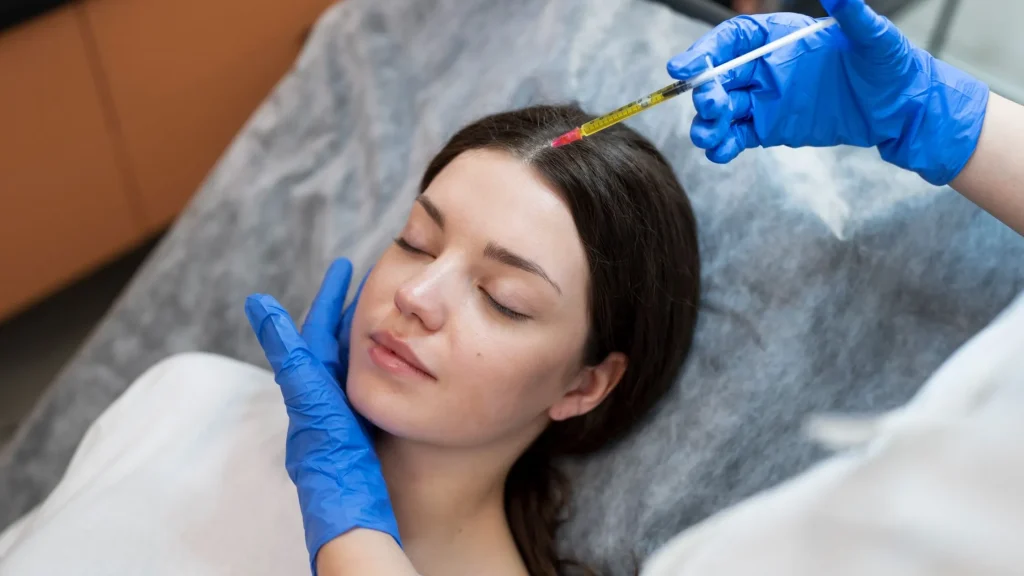
The platelet-rich plasma is injected into targeted scalp areas.
Step 6: Follicle Stimulation
Growth factors begin stimulating dormant hair follicles and scalp circulation.
Step 7: Recovery Guidance
Aftercare instructions are provided for proper scalp recovery.
Step 8: Follow-Up Sessions
Multiple sessions may be recommended depending on scalp condition and hair goals.
6. Benefits of PRP Therapy
Natural Hair Restoration
PRP therapy supports natural scalp healing and hair growth.
Non-Surgical Procedure
The treatment does not involve surgery or major scars.
Minimal Downtime
Most individuals can resume normal activities shortly after treatment.
Improved Hair Density
The procedure may help support thicker and healthier-looking hair.
Better Scalp Circulation
Improved blood flow may nourish hair follicles naturally.
Gradual Natural-Looking Results
Hair improvement usually appears gradually over time.
7. Recovery and Aftercare Tips
Avoid Washing Hair Immediately
Avoid washing the scalp for a few hours after treatment.
Stay Hydrated
Proper hydration supports recovery and scalp wellness.
Avoid Harsh Hair Products
Gentle scalp care products are recommended after treatment.
Reduce Heat Styling
Excessive heat exposure should be minimized during recovery.
Follow Recommended Sessions
Consistency may improve long-term hair restoration results.
8. Why PRP Procedure Is Becoming Popular
The PRP treatment procedure is becoming increasingly popular because more people are seeking natural and minimally invasive hair restoration options.
Some important reasons behind its popularity include:
- Natural regenerative healing process
- Non-surgical treatment approach
- Minimal downtime
- Personalized treatment plans
- Supports healthier scalp circulation
- Gradual and natural-looking results
- Suitable for both men and women
- Advanced scalp rejuvenation support
Many individuals prefer PRP therapy because it focuses on long-term scalp wellness and healthier hair growth rather than temporary cosmetic improvement.
9. Risks and Safety Considerations
PRP therapy is generally considered safe because it uses platelet-rich plasma derived from the patient’s own blood. However, mild temporary discomfort, redness, or scalp sensitivity may occur after the procedure.
Following proper aftercare instructions and maintaining healthy scalp habits may help support smoother recovery and better results.
10. Conclusion
The PRP treatment procedure has become one of the most preferred regenerative hair restoration methods for individuals looking for natural and minimally invasive scalp therapy. The procedure focuses on improving scalp circulation, strengthening hair follicles, and supporting healthier hair growth using platelet-rich plasma derived from the patient’s own blood.
Many individuals choose PRP therapy because it offers gradual and natural-looking hair improvement without major surgery or long recovery periods. As awareness about regenerative scalp treatments continues to grow, more people are exploring PRP therapy for long-term scalp wellness and healthier hair restoration.
To learn more about platelet-rich plasma therapy and regenerative treatment procedures, visit Platelet-Rich Plasma Therapy Guide.
Table of Contents
Treatment
Learn how PRP therapy supports natural hair growth, strengthens hair follicles, and helps manage hair thinning through regenerative treatment.
Learn More
Cost
Understand the factors that influence PRP treatment costs, including treatment plans, session requirements, and individual hair restoration goals.
Learn More
Results
Discover what results to expect after PRP therapy, including improvements in hair density, scalp health, and overall hair appearance.
Learn More
Duration
Find out how long a typical PRP session takes, treatment timelines, and what to expect during your hair restoration journey.
Learn More
Risks
Learn about the potential risks, temporary side effects, and important considerations associated with PRP therapy for hair restoration.
Learn More