PRP Hair Treatment Pala
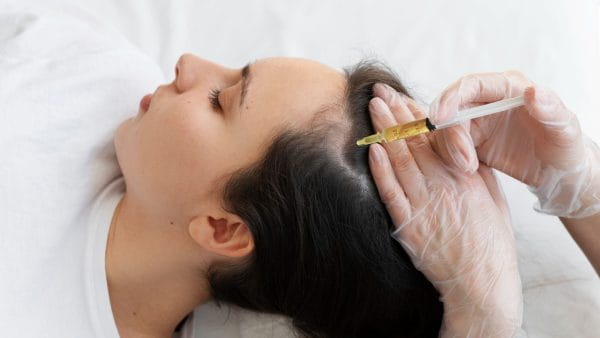
Table of Contents
- What Is PRP Hair Treatment?
- Common Causes of Hair Loss
- Types of Hair Loss Treated With PRP
- Symptoms That Indicate You May Need PRP
- How PRP Hair Treatment Works
- Major Benefits of PRP Therapy
- Who Can Benefit From PRP Treatment?
- PRP Treatment Procedure Step by Step
- Recovery and Aftercare Tips
- Why PRP Is Becoming Popular
- Conclusion
Hair loss and thinning hair can affect confidence, appearance, and overall self-esteem. Many people today are searching for advanced yet natural solutions that support healthier hair growth without surgery. PRP hair treatment pala has become a popular choice for individuals looking to improve scalp health, strengthen weak hair follicles, and reduce excessive hair fall naturally. This regenerative procedure uses platelet-rich plasma from the patient’s own blood to stimulate hair follicles and encourage healthier hair growth.
One of the main reasons why PRP hair treatment pala is gaining attention is its minimally invasive approach and natural-looking results. The treatment focuses on improving scalp circulation, supporting hair density, and enhancing overall hair quality without major downtime. Individuals experiencing hair thinning, weak roots, or reduced hair volume often consider PRP therapy as a modern and effective hair restoration option.
1. What Is PRP Hair Treatment?
PRP stands for Platelet-Rich Plasma. It is a regenerative treatment that uses concentrated platelets taken from the patient’s own blood. These platelets contain growth factors that help repair tissues and stimulate hair follicles.
PRP therapy for hair restoration is commonly used to improve:
- Hair thickness
- Hair density
- Scalp health
- Hair follicle strength
- Hair growth cycle
- Weak or damaged roots
The treatment is widely preferred because it uses the body’s own natural healing components. Since the plasma is derived from the patient’s blood, the risk of allergic reaction is minimal.
2. Common Causes of Hair Loss
Hair loss can happen for many reasons. Understanding the root cause is important before starting any treatment.
Hormonal Changes
Hormonal imbalance can weaken hair follicles and increase hair shedding.
Stress and Lifestyle
Stress, lack of sleep, poor nutrition, and unhealthy habits can affect hair growth.
Genetic Factors
Hereditary hair loss is one of the most common causes of thinning hair.
Nutritional Deficiencies
Low levels of iron, protein, vitamins, and minerals may lead to weak hair.
Medical Conditions
Certain scalp conditions and illnesses can contribute to hair fall.
Excessive Chemical Treatments
Frequent coloring, straightening, and heat styling may damage the scalp and hair roots.
3. Types of Hair Loss Treated With PRP
PRP therapy can help manage different forms of hair loss.
Androgenetic Alopecia
This common type of hair thinning affects both men and women.
Hair Thinning
People with reduced hair density may benefit from PRP sessions.
Stress-Related Hair Fall
Temporary hair shedding due to stress can improve with scalp rejuvenation.
Postpartum Hair Loss
Many women experience hair loss after pregnancy due to hormonal changes.
Weak Hair Follicles
PRP helps strengthen damaged or inactive follicles.
4. Symptoms That Indicate You May Need PRP
Some common signs may indicate the need for advanced hair restoration treatment.
- Increased hair shedding
- Visible scalp patches
- Reduced hair volume
- Weak and brittle hair
- Slow hair growth
- Receding hairline
- Hair thinning near the crown area
Early treatment can improve results and help maintain existing hair density.
5. How PRP Hair Treatment Works
The procedure is performed using a simple medical process.
Step 1: Blood Collection
A small amount of blood is drawn from the patient.
Step 2: Centrifugation Process
The blood sample is placed in a centrifuge machine to separate platelet-rich plasma.
Step 3: Plasma Preparation
The concentrated plasma containing growth factors is prepared for treatment.
Step 4: Injection Into the Scalp
The PRP is injected into targeted areas of the scalp.
Step 5: Follicle Stimulation
Growth factors stimulate dormant hair follicles and improve blood circulation.
This entire procedure usually takes less than an hour.
6. Benefits of PRP Hair Treatment
1. Supports Natural Hair Growth
PRP uses natural growth factors from the body to stimulate hair follicles and encourage healthier hair growth.
2. Helps Reduce Hair Fall
The treatment may help reduce excessive hair shedding by strengthening weak hair roots.
3. Improves Hair Thickness
Regular PRP sessions can improve hair density and make hair appear fuller.
4. Strengthens Hair Follicles
PRP nourishes damaged follicles and supports stronger hair strands.
5. Enhances Scalp Blood Circulation
The growth factors improve blood supply to the scalp for better follicle nourishment.
6. Non-Surgical Hair Restoration
PRP is a minimally invasive procedure without major surgery or scars.
7. Minimal Recovery Time
Most individuals can return to daily activities shortly after treatment.
8. Improves Overall Scalp Health
The treatment supports a healthier scalp environment for hair growth.
9. Suitable for Men and Women
PRP therapy can help both men and women experiencing hair thinning.
10. Provides Natural-Looking Results
Hair improvement happens gradually, creating a more natural appearance over time.
7. Who Can Benefit From PRP Treatment?
PRP therapy is suitable for many individuals experiencing early or moderate hair loss.
People who may benefit include:
- Men with thinning hair
- Women experiencing hair fall
- Individuals with weak hair roots
- People noticing reduced hair density
- Individuals seeking non-surgical hair restoration
The treatment works best when started early.
8. PRP Treatment Procedure Step by Step
Initial Consultation
The scalp and hair condition are evaluated before treatment.
Scalp Assessment
The specialist examines hair density, scalp health, and follicle condition.
Customized Treatment Plan
The number of sessions depends on individual hair concerns.
PRP Session
The plasma is injected into targeted areas.
Follow-Up Sessions
Multiple sessions may be recommended for better outcomes.
Progress Monitoring
Hair growth progress is monitored during review appointments.
9. Recovery and Aftercare Tips
Proper aftercare can help improve treatment results.
Avoid Washing Hair Immediately
Avoid washing the scalp for the first few hours after treatment.
Stay Hydrated
Drink enough water to support healing.
Avoid Harsh Hair Products
Use gentle hair care products recommended for scalp health.
Maintain a Healthy Diet
Protein-rich foods and vitamins support stronger hair growth.
Avoid Excessive Heat Styling
Reducing heat exposure may help protect the hair shaft.
Follow Recommended Sessions
Consistency is important for noticeable improvement.
10. Why PRP Hair Treatment Pala Is Becoming Popular
The demand for PRP hair treatment pala is growing rapidly because more people are looking for safe, natural, and non-surgical solutions for hair restoration. Unlike temporary cosmetic options, PRP therapy focuses on improving scalp health and stimulating natural hair growth using the body’s own healing properties. This advanced regenerative treatment is now widely preferred by individuals experiencing hair thinning, weak follicles, excessive hair fall, and reduced hair density.
One of the main reasons behind the popularity of PRP hair treatment pala is its minimally invasive approach. The procedure does not involve major surgery, stitches, or long recovery periods, making it a convenient option for people with busy lifestyles. Since platelet-rich plasma is taken from the patient’s own blood, the treatment is considered safer and more natural compared to many other hair restoration methods.
Another major advantage of PRP hair treatment pala is its ability to improve scalp circulation and strengthen hair follicles naturally. The growth factors present in platelet-rich plasma help activate dormant follicles and support healthier hair growth over time. Many individuals choose PRP therapy because the results appear gradual and natural-looking rather than artificial.
Reasons Why PRP Hair Treatment Is Becoming Popular
- Non-surgical hair restoration procedure
- Natural regenerative healing process
- Minimal recovery and downtime
- Supports healthier scalp circulation
- Helps reduce excessive hair fall
- Improves hair thickness and density
- Strengthens weak hair follicles
- Suitable for both men and women
- Personalized treatment plans based on scalp condition
- Convenient and minimally invasive sessions
- Natural-looking hair growth improvement
- Advanced scalp rejuvenation support
The growing awareness about advanced hair restoration procedures has also contributed to the popularity of PRP hair treatment pala. Individuals today prefer treatments that focus on long-term scalp wellness and natural hair strengthening rather than temporary cosmetic solutions. With proper sessions and healthy hair care habits, PRP therapy may support stronger, healthier, and fuller-looking hair naturally.
Conclusion
Healthy hair and scalp care require the right combination of advanced treatment, proper maintenance, and early attention to hair concerns. PRP hair treatment pala is becoming a trusted solution for individuals looking for natural hair restoration, improved scalp nourishment, and stronger hair growth without surgery. With regular sessions and healthy hair care habits, PRP therapy may support thicker, healthier, and more confident-looking hair over time.
As awareness about regenerative hair treatments continues to grow, many individuals are exploring scientifically supported solutions for long-term scalp wellness and hair strengthening. To understand more about platelet-rich plasma therapy and hair restoration techniques, read this detailed guide on Platelet-Rich Plasma Therapy Overview.
Table of Contents
Cost
Understand the factors that influence PRP treatment costs, including treatment plans, session requirements, and individual hair restoration goals.
Learn More
Procedure
Explore the step-by-step PRP treatment procedure, from blood collection and plasma preparation to targeted scalp injections.
Learn More
Results
Discover what results to expect after PRP therapy, including improvements in hair density, scalp health, and overall hair appearance.
Learn More
Duration
Find out how long a typical PRP session takes, treatment timelines, and what to expect during your hair restoration journey.
Learn More
Risks
Learn about the potential risks, temporary side effects, and important considerations associated with PRP therapy for hair restoration.
Learn More