PRP therapy is widely regarded as a safe, minimally invasive treatment for hair loss. However, like any medical procedure, it carries certain risks and side effects that every patient should understand before starting. This guide explains the most common risks of PRP therapy, who is more likely to experience them, and how to reduce them with the right precautions.
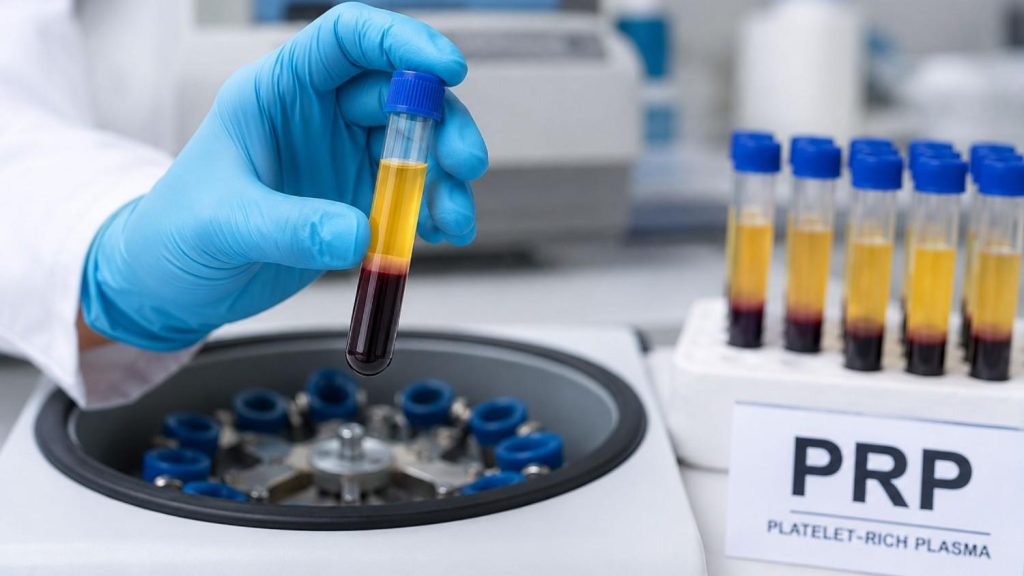
Is PRP Therapy Safe?
PRP therapy uses the patient’s own blood plasma, which significantly reduces the risk of allergic reactions or rejection. Most clinical studies and practitioners consider it a low-risk procedure when performed by a qualified professional. However, “low risk” does not mean “no risk.”
Common Side Effects of PRP Therapy
- Scalp tenderness – mild soreness at injection sites, usually resolves within 24–48 hours
- Redness and swelling – temporary inflammation after injections
- Itching or mild irritation – normal post-treatment reaction
- Bruising at the blood draw site – minor, fades quickly
- Temporary hair shedding – some patients notice increased shedding in the first 2–3 weeks, which often precedes new growth
- Mild headache – occasionally reported after scalp injections
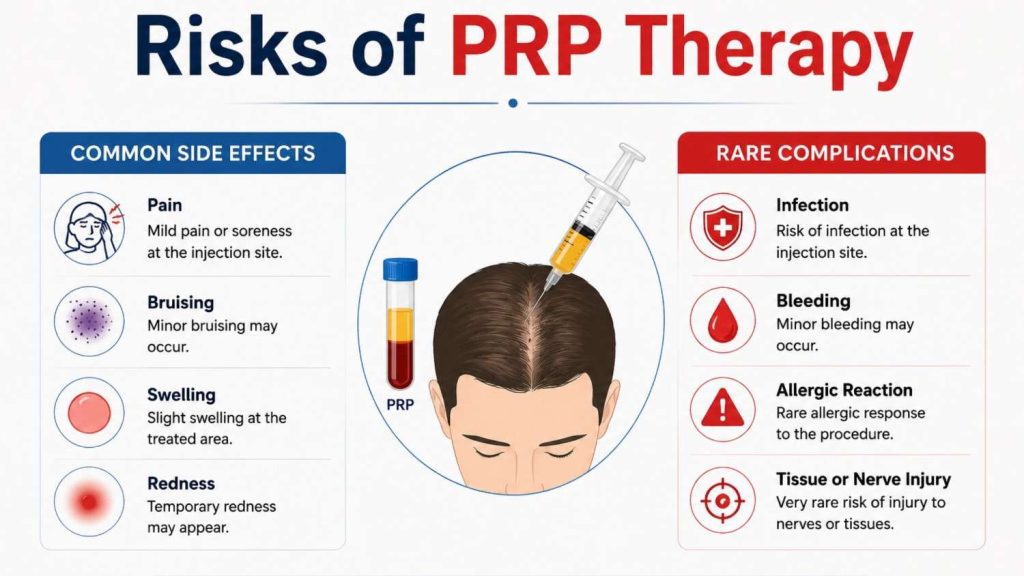
Rare but Serious Risks
While uncommon, there are more serious risks associated with PRP therapy that patients should be aware of:
- Infection at the injection site – rare when sterile technique is used
- Nerve injury – extremely rare; risk increases with inexperienced practitioners
- Calcification – in very rare cases, calcium deposits may form at injection sites
- Scarring – unlikely with proper technique, but possible with repeated injections in the same area
- Vascular injury – rare risk during scalp injections
Who Should Avoid PRP Therapy?
PRP therapy may not be suitable for everyone. Certain medical conditions and situations increase the risk of complications.
You may need to avoid PRP if you have:
- Blood clotting disorders or are on blood thinners
- Active scalp infection or skin condition at the treatment site
- History of keloid scarring
- Platelet dysfunction syndrome
- Anaemia or very low haemoglobin levels
- Active cancer or undergoing chemotherapy
- Pregnancy (consult your doctor)
- Severe systemic infections
How to Minimise the Risks of PRP Therapy
The majority of PRP risks can be significantly reduced with the right precautions.
Tips to include:
- Always choose a qualified and experienced medical professional
- Disclose all medications, supplements, and medical conditions before treatment
- Avoid alcohol and blood-thinning supplements (like fish oil or aspirin) for at least 48 hours before your session
- Follow all pre-treatment instructions provided by your clinic
- Do not wash or apply products to your scalp for several hours after treatment
- Attend all follow-up sessions as recommended
- Report any unusual pain, swelling, or discharge to your doctor immediately
PRP Risks vs. Benefits -Is It Worth It?
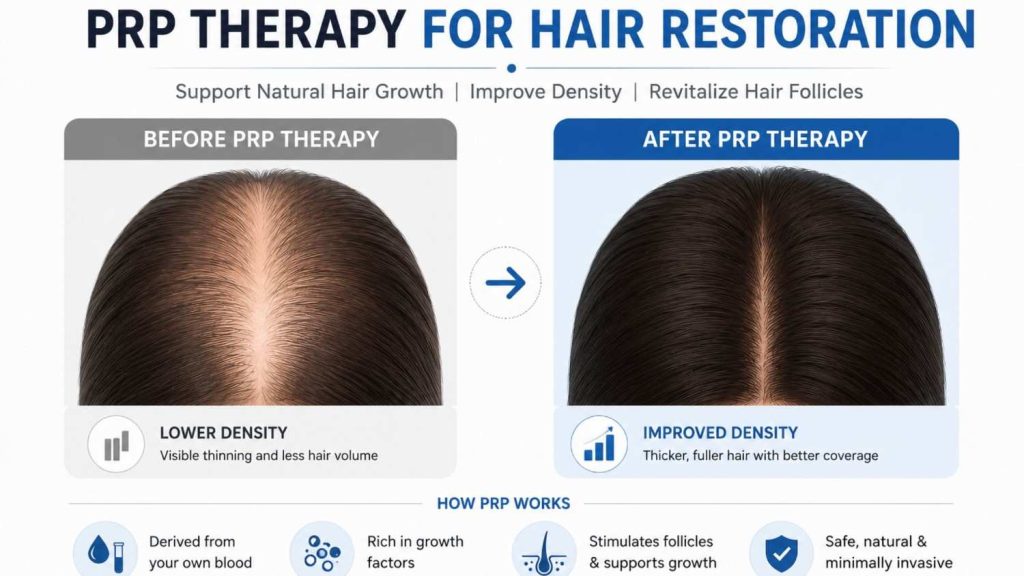
For most healthy patients experiencing early to moderate hair loss, the benefits of PRP therapy generally outweigh the risks. Side effects are typically mild and temporary, while the potential outcomes improved hair density, stronger follicles, and reduced shedding can be significant.
Risk level -> Low (when done by a professional)
Recovery time ->Minimal
Common side effects -> Temporary soreness, redness
Serious risks -> Rare
Suitable for most people ->Yes, with medical assessment
Conclusion
Understanding the risks of PRP therapy helps you make a more informed decision about your hair restoration journey. For most patients, PRP is a well-tolerated, effective option – but it works best when approached with the right expectations, proper preparation, and guidance from an experienced specialist.
Learn more about prp treatment -> Prp Treatment
Table of Contents
Treatment
Learn how PRP therapy supports natural hair growth, strengthens hair follicles, and helps manage hair thinning through regenerative treatment.
Learn More
Cost
Understand the factors that influence PRP treatment costs, including treatment plans, session requirements, and individual hair restoration goals.
Learn More
Procedure
Explore the step-by-step PRP treatment procedure, from blood collection and plasma preparation to targeted scalp injections.
Learn More
Results
Discover what results to expect after PRP therapy, including improvements in hair density, scalp health, and overall hair appearance.
Learn More
Duration
Find out how long a typical PRP session takes, treatment timelines, and what to expect during your hair restoration journey.
Learn More